Fitness
Hammer Curls: Benefits, Proper Form, Muscles Worked, and Best Variations in 2026

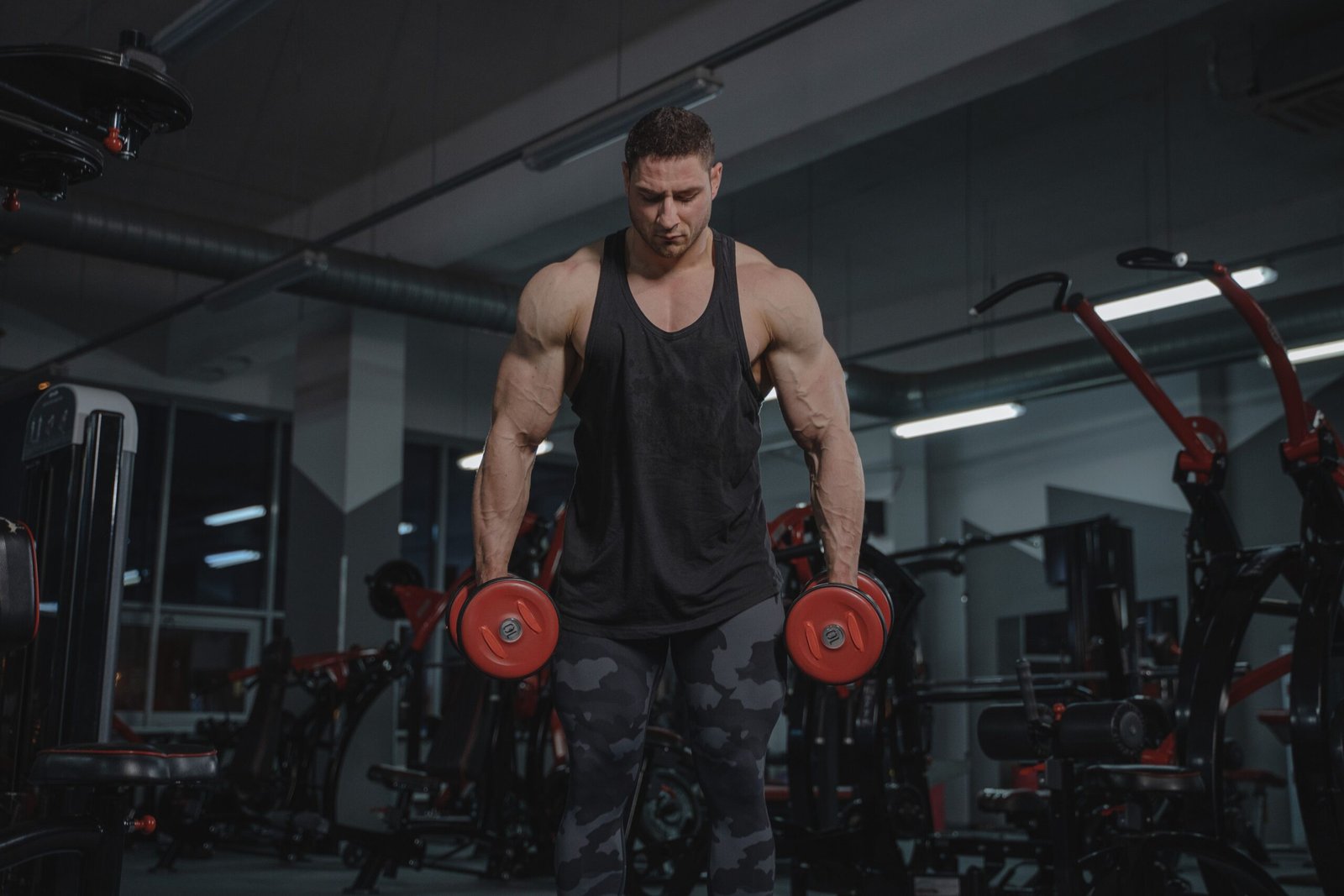
Hammer curls are one of the most effective dumbbell exercises for building stronger arms, developing the forearms, and increasing upper-body strength. Unlike traditional biceps curls, which typically use a palms-up grip, hammer curls maintain a neutral grip, with the palms facing each other throughout the movement. This simple adjustment changes how the muscles work and makes the exercise a valuable addition to a balanced strength-training routine.
Whether we want to improve arm definition, increase grip strength, or build more muscular upper arms, hammer curls offer practical benefits for beginners and experienced lifters alike. They require minimal equipment, are easy to learn, and can be performed at home or in the gym.
In this comprehensive guide, we explore hammer curl form, muscles worked, benefits, common mistakes, variations, sets, repetitions, and training tips to help us get better results from every workout.
What Are Hammer Curls?
Hammer curls are an isolation exercise performed with dumbbells using a neutral hand position. We hold the dumbbells with our palms facing inward, similar to the way we would hold a hammer. From this position, we bend our elbows to lift the weights toward our shoulders before lowering them under control.
The movement primarily trains the brachialis, biceps brachii, and brachioradialis, making it particularly useful for developing the upper arms and forearms.
Traditional biceps curls emphasize elbow flexion with the palms facing upward. Hammer curls, by contrast, maintain a neutral grip that allows the brachialis and brachioradialis to contribute significantly to the movement.
We can perform hammer curls while standing, sitting, or using an incline bench. Standing dumbbell hammer curls remain a popular choice because they are accessible, straightforward, and easy to incorporate into an arm-training session.
One of the biggest advantages of hammer curls is their versatility. We can adjust the weight, repetition range, tempo, and equipment to match our training experience and fitness goals.
What Muscles Do Hammer Curls Work?
Hammer curls train several muscles involved in elbow flexion and forearm movement. Understanding these muscles helps us appreciate why the exercise is valuable for complete arm development.
1. Brachialis
The brachialis is a major elbow-flexor muscle located beneath the biceps brachii. It plays an important role in bending the elbow, regardless of whether our palms face upward or inward.
Because hammer curls use a neutral grip, they provide an effective way to train the brachialis alongside the other elbow flexors. Developing this muscle can contribute to a thicker-looking upper arm by adding muscular fullness beneath the biceps.
2. Biceps Brachii
The biceps brachii is the prominent muscle on the front of the upper arm. It helps bend the elbow and rotate the forearm so the palm faces upward.
Although traditional supinated curls emphasize the biceps’ supination function, hammer curls still recruit the biceps during elbow flexion. This makes them a useful complementary exercise rather than a replacement for every other curl variation.
3. Brachioradialis
The brachioradialis is a prominent forearm muscle that assists with elbow flexion, particularly when the forearm is in a neutral position.
Hammer curls place this muscle in a favorable position to contribute to the lifting movement. Consistent training can help develop forearm thickness and improve strength during activities that involve gripping and lifting objects.
4. Forearm and Grip Muscles
The muscles responsible for gripping the dumbbells work isometrically throughout the exercise. Although hammer curls are not a dedicated grip-strength exercise, holding the weights securely challenges the forearm muscles.
Together, these muscles make hammer curls an efficient choice for people seeking stronger forearms, fuller upper arms, and balanced arm development.
How to Do Hammer Curls With Proper Form
Correct technique helps us target the intended muscles, maintain control, and reduce unnecessary stress on the wrists, elbows, and shoulders.
Choose the appropriate dumbbells. Select a weight that allows us to complete every repetition without swinging our torso or losing control.
Stand with a stable posture. Position our feet approximately hip-width apart, keep our knees slightly relaxed, and maintain a neutral spine.
Hold the dumbbells correctly. Let our arms hang beside our body, with our palms facing inward and our thumbs pointing forward.
Brace the core. Keep our abdominal muscles engaged and our shoulders relaxed rather than shrugged toward our ears.
Curl the weights upward. Bend our elbows to bring the dumbbells toward our shoulders while maintaining the neutral grip.
Keep the elbows controlled. Allow the elbows to remain close to the torso instead of moving excessively forward or backward.
Pause briefly at the top. Squeeze the working muscles without lifting our shoulders or forcing the wrists into an uncomfortable position.
Lower the weights slowly. Extend the elbows under control until our arms return to the starting position.
Repeat with consistent technique. Maintain the same range of motion and movement speed throughout the set.
We should breathe out as we lift the dumbbells and breathe in as we lower them. Most importantly, we should prioritize controlled repetitions over lifting heavier weights with poor technique.
Benefits of Hammer Curls
Hammer curls offer several advantages for people who want to improve their arm strength, muscle development, and overall training performance.
Build Thicker Upper Arms
One of the primary benefits of hammer curls is their ability to train the brachialis alongside the biceps. Developing the brachialis can contribute to a fuller appearance in the upper arm.
When combined with conventional curls, rows, pull-ups, and other upper-body exercises, hammer curls can support more comprehensive arm development.
Develop Stronger Forearms
The brachioradialis contributes substantially to the movement, making hammer curls particularly useful for forearm development. Stronger forearms can support performance in exercises that require sustained gripping, although dedicated grip training may still be necessary for specific goals.
Support Functional Strength
Elbow flexion is involved in many everyday tasks, including carrying bags, lifting objects, and moving equipment. Hammer curls strengthen muscles that contribute to these movements.
However, functional strength depends on a wider range of physical abilities, so we should combine arm exercises with full-body resistance training.
Provide a Neutral-Grip Alternative
The neutral grip feels natural for many lifters and may be more comfortable than a palms-up position for some individuals. This makes hammer curls a useful option when choosing between different curl variations.
Comfort varies from person to person, and hammer curls are not automatically pain-free for everyone. We should stop or modify the exercise if it causes persistent joint discomfort.
Offer Convenient Training Options
We need only a pair of dumbbells to perform standard hammer curls. The exercise can fit into home workouts, commercial gym sessions, and upper-body training programs without requiring complicated equipment.
Best Hammer Curl Variations to Try
Changing the equipment or body position can help us introduce variety into our arm workouts while maintaining the neutral-grip movement.
1. Alternating Hammer Curls
We curl one dumbbell at a time while keeping the other arm controlled. This variation allows us to concentrate on each side independently and monitor technique more easily.
2. Seated Hammer Curls
Performing hammer curls while seated can reduce the temptation to use momentum from the hips. We should keep our back comfortably positioned and avoid swinging the dumbbells.
3. Cross-Body Hammer Curls
We lift one dumbbell diagonally toward the opposite side of the chest. This variation changes the movement path while retaining the neutral grip and training the elbow flexors.
4. Cable Rope Hammer Curls
We attach a rope handle to a low cable pulley and curl the ends upward with our palms facing inward. The cable provides resistance throughout much of the movement and allows us to adjust the load in small increments.
5. Incline Dumbbell Hammer Curls
We sit against an incline bench with our arms hanging naturally. This position changes the shoulder angle and can make it harder to use body momentum. We should use a manageable weight and avoid forcing the shoulders into an uncomfortable stretch.
We do not need to perform every variation in a single workout. Choosing one or two options based on our equipment, comfort, and training goals is usually sufficient.
Common Hammer Curl Mistakes to Avoid
Even a simple exercise can become less effective when we sacrifice technique for heavier weights. Avoiding these common mistakes helps us maintain consistent muscle tension and controlled movement.
Swinging the body: Using momentum from the hips and lower back reduces control. We should lower the weight until we can curl without excessive body movement.
Using excessively heavy dumbbells: If we cannot complete the movement smoothly, the load may be too heavy. A manageable weight allows us to train through a consistent range of motion.
Moving the elbows excessively: Allowing the elbows to travel far forward or backward can change the movement and make repetitions less consistent.
Shrugging the shoulders: Raising the shoulders toward the ears can introduce unnecessary movement. We should keep them relaxed and stable.
Bending the wrists: The wrists should remain comfortably aligned with the forearms instead of bending sharply backward or sideways.
Dropping the weights quickly: Lowering the dumbbells without control wastes an opportunity to train the muscles through the eccentric phase.
Using a partial range of motion unnecessarily: We should lower the weights until the elbows are comfortably extended and curl upward without forcing the joints beyond a natural range.
If a movement produces sharp pain, numbness, or persistent discomfort, we should stop rather than attempt to work through it. Persistent symptoms warrant assessment by an appropriate healthcare professional.
Hammer Curl Sets, Reps, and Workout Tips for 2026
The best hammer curl program depends on our training experience, recovery, and broader fitness goals. We can adjust the weight and repetition range while maintaining sound technique.
For general muscle development, 2–4 sets of 8–15 repetitions is a practical starting point for many adults. Beginners may benefit from starting with two sets and lighter dumbbells while learning the movement.
| Training goal | Suggested repetitions | Suggested sets |
|---|---|---|
| General fitness | 10–15 | 2–3 |
| Muscle growth | 8–15 | 3–4 |
| Muscular endurance | 12–20 | 2–3 |
| Strength-focused practice | 6–10 | 3–4 |
These are general programming guidelines rather than rigid rules. We should select a weight that makes the final repetitions challenging without compromising our technique. Resting approximately 60–120 seconds between sets is a reasonable starting point, with longer rest periods if needed.
How Often Should We Do Hammer Curls?
For most people, training hammer curls one to three times per week can fit into a resistance-training program, depending on total arm-training volume and recovery. We should account for the work our biceps and forearms already perform during pulling exercises, such as rows and pull-ups.
Allowing sufficient recovery between challenging sessions helps us maintain training quality. We should increase the workload gradually rather than suddenly adding numerous sets or substantially heavier weights.
How to Progress Over Time
Progressive overload helps us build strength and muscle by gradually increasing the demands placed on the body. We can apply this principle by adding repetitions, increasing the dumbbell weight in small increments, improving movement control, or completing additional sets when appropriate.
For example, if we can perform three sets of 12 repetitions with excellent form and still have room to progress, we may increase the weight slightly and work toward the target repetitions again.
We should also support our training with adequate sleep, sufficient dietary protein, balanced nutrition, and a consistent overall workout routine.
Frequently Asked Questions About Hammer Curls
Are Hammer Curls Better Than Regular Biceps Curls?
Neither exercise is universally better. Hammer curls emphasize the brachialis and brachioradialis alongside the biceps, while traditional supinated curls place greater emphasis on the biceps’ role in forearm supination. Including both exercises can provide more complete arm training.
Can Hammer Curls Build Bigger Arms?
Yes. Hammer curls can contribute to bigger arms by developing the elbow flexors, particularly the brachialis and brachioradialis. Visible growth depends on consistent resistance training, appropriate nutrition, recovery, and individual factors.
Should We Perform Hammer Curls Every Day?
Daily hammer curls are generally unnecessary for building muscle. Repeatedly training the same muscles hard without sufficient recovery can reduce workout quality and increase the risk of overuse problems. A structured weekly schedule is usually more practical.
Are Hammer Curls Suitable for Beginners?
Yes. Hammer curls are beginner-friendly because they require limited equipment and involve a straightforward movement. Beginners should start with light dumbbells, practice controlled repetitions, and increase the resistance gradually.
Do Hammer Curls Train the Forearms?
Yes. The brachioradialis contributes to elbow flexion during hammer curls, while the gripping muscles help us hold the dumbbells. For comprehensive forearm development, we can also include other exercises that train wrist and grip functions.
Can We Do Hammer Curls at Home?
Absolutely. A pair of dumbbells is enough for standard hammer curls. We can also use resistance bands or suitable cable equipment when available, provided we maintain a comfortable grip and controlled movement.
Conclusion
Hammer curls are a practical and effective exercise for developing the upper arms, strengthening the forearms, and improving elbow-flexor strength. Their neutral grip makes them a valuable complement to traditional biceps curls, while their simple setup allows us to perform them in almost any training environment.
To get the most from hammer curls, we should focus on proper form, controlled repetitions, suitable resistance, progressive overload, and adequate recovery. We can also incorporate variations such as seated hammer curls, cross-body hammer curls, and cable rope hammer curls to suit our preferences and training needs.
By including hammer curls in a balanced resistance-training program, we can work toward stronger, fuller arms while building consistent exercise habits that support long-term fitness progress.


437 Area Code: Location, Time Zone, Phone Numbers, and Complete Guide for 2026

FAEC: Meaning, Uses, Benefits, and Everything to Know in 2026

Food Open Near Me: Find Restaurants Open Now in 2026

Elisa Gayle Ritter: Biography, Career, Family, Personal Life, and Everything You Need to Know

AOPG Wiki (2026): Complete Guide to A One Piece Game Wiki, Features, Islands, Fruits, Codes, and Progression

Anne Steves: The Untold Story of Rick Steves’ Former Wife, Family, and Private Life
 News4 months ago
Elisa Gayle Ritter: Biography, Career, Family, Personal Life, and Everything You Need to Know
- Game3 months ago
AOPG Wiki (2026): Complete Guide to A One Piece Game Wiki, Features, Islands, Fruits, Codes, and Progression
- News4 months ago
Anne Steves: The Untold Story of Rick Steves’ Former Wife, Family, and Private Life
- celebrity4 months ago
Roman Walker Zelman: Everything You Need to Know
- celebrity3 months ago
Xavier Smalls Wikipedia: Biography, Age, Career, Family, Education, and Latest Updates (2026)
- Blog3 months ago
5 Letter Word Ending in Y: Complete List, Meanings, Examples, and Word Game Tips (2026 Guide)
- Blog3 months ago
Almawadahit.com Blog: A Complete 2026 Guide to Its Content, Features, and Reader Benefits
- celebrity3 months ago
Lacey M: Online Identity, Social Media Presence, Content Trends, and Digital Influence in 2026