Pet
Great Pyrenees: Temperament, Size, Lifespan, and Care Guide 2026

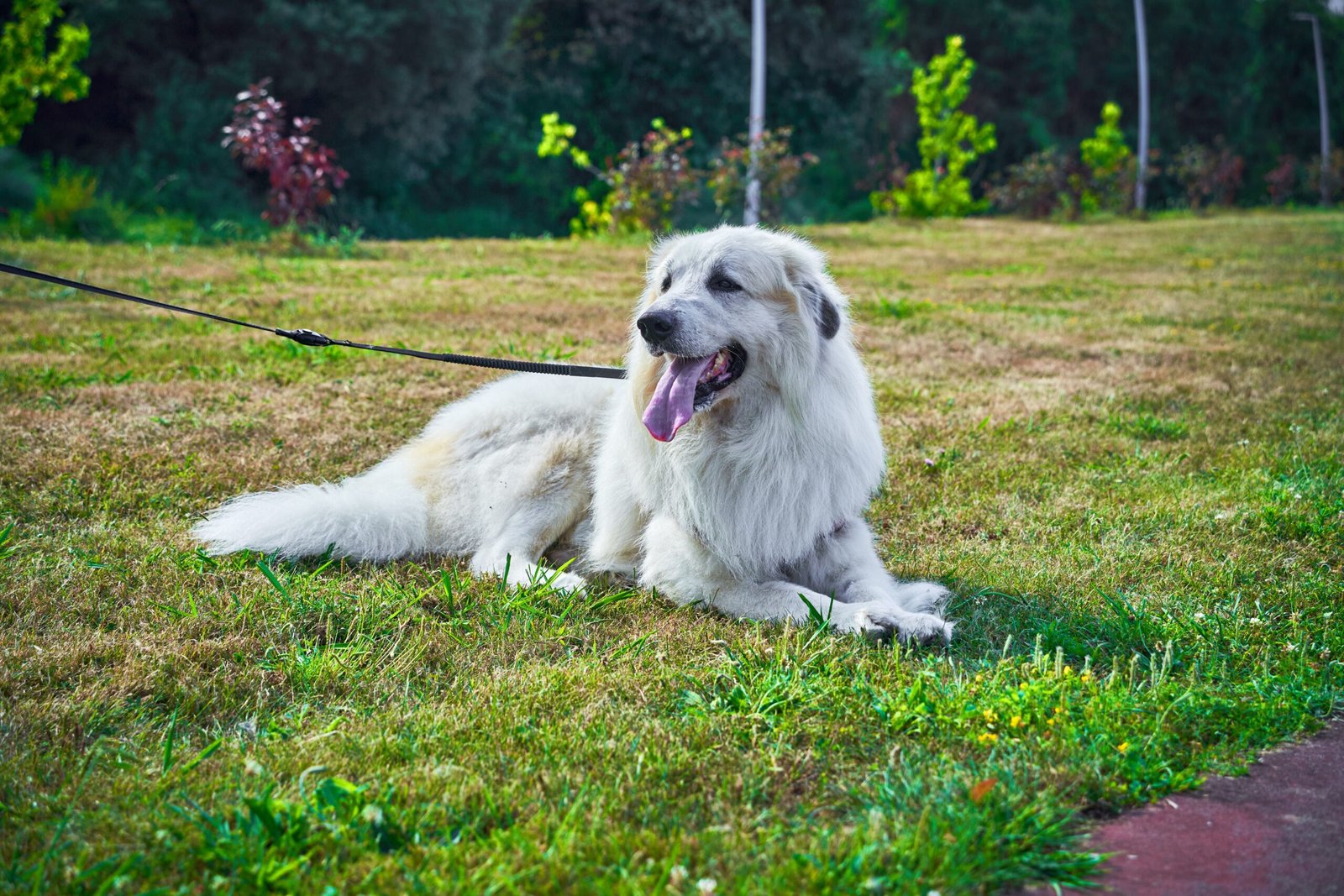
The Great Pyrenees is a majestic, large dog breed known for its thick white coat, calm personality, loyalty, and powerful protective instincts. Originally developed to guard livestock in the Pyrenees Mountains between France and Spain, this impressive working dog has become a beloved companion for families and experienced dog owners. Although its gentle appearance may make it seem easy to manage, the Great Pyrenees has unique needs involving training, grooming, exercise, and space. Understanding these characteristics can help you decide whether this remarkable breed is the right fit for your home in 2026.
1. What Is a Great Pyrenees?
The Great Pyrenees, sometimes called the Pyrenean Mountain Dog, is a large working breed historically used to protect sheep and other livestock from predators. Its development in mountainous regions helped shape its thick, weather-resistant double coat, impressive strength, and independent decision-making abilities. Unlike some working dogs that depend on frequent instructions, the Great Pyrenees was bred to assess potential threats and protect its flock with limited human supervision.
According to the American Kennel Club (AKC), the breed is recognized for being smart, patient, and calm. Adult dogs generally have a composed presence, but they can react quickly when they believe their family or territory is threatened. Their appearance is equally distinctive, featuring a broad head, dark eyes, a plumed tail, and a predominantly white coat that may include gray, tan, reddish-brown, or badger-colored markings.
The Great Pyrenees was recognized by the AKC in 1933. Today, it continues to serve as a livestock guardian while also living as a companion in suitable homes. Its history explains many of its modern characteristics, particularly its protective instincts, independence, and preference for having a clear purpose.
2. Great Pyrenees Size, Appearance, and Lifespan
One of the first things people notice about the Great Pyrenees dog is its impressive size. Adult males typically stand between 27 and 32 inches tall at the shoulder and weigh at least 100 pounds. Females generally stand between 25 and 29 inches and weigh at least 85 pounds. Individual dogs can vary, so these figures should be treated as general breed guidelines rather than exact measurements.
Its thick double coat consists of a protective outer layer and a dense undercoat. This natural insulation helps the breed handle cold weather, while its light-colored coat provides additional protection from sunlight. The coat is usually white, although acceptable markings may appear around the head, ears, tail, or body.
Despite its size, the Great Pyrenees often moves with surprising elegance and confidence. Its expression is typically gentle and thoughtful, reflecting its patient nature. The breed’s average life expectancy is approximately 10 to 12 years, although an individual dog’s longevity depends on genetics, nutrition, veterinary care, and overall living conditions.
Anyone considering this breed should also account for its physical needs. A Great Pyrenees requires enough room to move comfortably, appropriately sized equipment, secure fencing, and a budget that covers food, grooming supplies, and veterinary expenses.
3. Great Pyrenees Temperament and Family Behavior
The Great Pyrenees is widely appreciated for its loyal, affectionate, and protective temperament. Many dogs form strong bonds with their families and enjoy spending quiet time near the people they trust. Their calm behavior can make them wonderful companions in the right household, particularly when owners understand their natural guardian instincts.
However, this breed is not always eager to greet strangers. Its historical role required caution around unfamiliar people and animals, so some Great Pyrenees dogs may be reserved or territorial. Early socialization helps them learn how to respond appropriately to visitors, neighborhood activity, other dogs, and unfamiliar environments.
Great Pyrenees dogs can also be patient with children, but their size presents a practical concern. An enthusiastic movement or accidental bump could knock over a small child. Supervision is essential whenever a large dog interacts with young children, regardless of how gentle the animal appears.
Another characteristic worth understanding is barking. Because the breed was developed to alert people to possible threats, it may bark at passing animals, unfamiliar sounds, or activity around the property. Consistent management and training can help, but owners should not expect to eliminate every natural guarding behavior.
The Great Pyrenees is not necessarily ideal for every household. Families seeking a highly obedient dog that constantly follows commands may find its independent personality challenging. For people who appreciate a thoughtful, steady, protective companion, however, this breed can be an excellent choice.
4. Grooming a Great Pyrenees: Shedding and Coat Care
The beautiful coat of a Great Pyrenees requires regular maintenance. Although its outer coat naturally resists dirt and tangling, the dense undercoat sheds throughout the year and may shed heavily during seasonal changes. Owners should expect loose hair on furniture, clothing, floors, and other household surfaces.
Weekly brushing is a useful starting point for keeping the coat manageable. During heavy shedding periods, more frequent brushing may be necessary to remove loose undercoat and prevent tangles. A suitable pin brush or slicker brush can help maintain the coat without unnecessary damage.
Bathing is generally needed when the dog becomes dirty or develops an odor. Regular ear checks, nail trimming, and dental care are also important parts of a healthy grooming routine.
One common mistake is shaving the Great Pyrenees simply because the coat looks too thick for warm weather. Its double coat helps regulate temperature and protects the skin from environmental exposure. Shaving can interfere with these protective functions, so owners should consult a veterinarian or qualified groomer before considering major coat changes.
In warmer climates, provide shade, fresh water, good ventilation, and access to a cool resting area. Avoid strenuous exercise during the hottest part of the day and watch for signs of overheating.
5. Exercise, Training, and Daily Care
Despite its imposing appearance, the Great Pyrenees does not usually require the intense exercise routine associated with high-energy sporting breeds. Moderate daily exercise, such as comfortable walks, supervised outdoor time, and appropriate play, can help maintain fitness and prevent boredom.
A securely fenced area is especially valuable because many Great Pyrenees dogs enjoy patrolling their surroundings. Their independent instincts can also encourage wandering, so owners should not assume that a reliable recall will always override an interesting distraction.
Training should begin early, ideally during puppyhood. Focus on basic commands, leash manners, calm greetings, and positive experiences with people, animals, and different environments. Because these dogs were bred to make independent decisions, they may not respond to repetitive drills as enthusiastically as some other breeds.
Use positive reinforcement, short training sessions, consistency, and rewards that motivate the individual dog. Harsh punishment can undermine trust and is not a substitute for structured training. Owners who are unfamiliar with large guardian breeds may benefit from a professional trainer experienced with independent working dogs.
Daily care should also include a balanced diet appropriate for the dog’s age, size, and activity level. Puppies of large breeds need carefully managed growth, so ask a veterinarian about an appropriate large-breed puppy food. Adult dogs should receive measured meals and maintain a healthy body condition rather than being fed according to size alone.
6. Great Pyrenees Health Problems and Veterinary Care
Like other large breeds, the Great Pyrenees can be susceptible to particular health conditions. Potential concerns include hip dysplasia, elbow dysplasia, certain eye disorders, patellar problems, and gastric dilatation-volvulus (GDV), commonly called bloat.
Bloat is a medical emergency in which the stomach expands and may twist. Warning signs can include repeated unsuccessful attempts to vomit, a swollen abdomen, excessive restlessness, drooling, and sudden weakness. Seek emergency veterinary care immediately if these signs occur.
Responsible breeders should screen breeding dogs for relevant inherited conditions and provide appropriate health documentation. Prospective owners should ask about parental health testing and obtain veterinary records when adopting or purchasing a puppy.
Routine preventive care includes vaccinations, parasite prevention, dental examinations, weight management, and regular veterinary checkups. Ask your veterinarian about feeding schedules and activity around meals, particularly because of the breed’s size and potential bloat risk.
No care routine can guarantee that a dog will avoid illness. However, responsible breeding, early recognition of symptoms, and consistent veterinary attention can improve the chances of a healthy, comfortable life. Source: AKC breed profile and health guidance
7. Is the Great Pyrenees the Right Dog for You?
The Great Pyrenees may be a good match for owners who want a large, loyal, calm, and protective dog and have the time and resources to meet its needs. It can thrive in a home with sufficient space, secure fencing, regular grooming, early socialization, and patient training. Rural properties and homes with livestock may suit its original working instincts particularly well.
Nevertheless, potential owners should consider the disadvantages before making a commitment. Heavy shedding, frequent alert barking, substantial food and veterinary costs, and an independent temperament can be difficult for unprepared households. The breed may also struggle in hot environments without reliable access to cool spaces and careful heat management.
Apartment living is generally challenging because of the dog’s size, barking, and need for suitable outdoor access, although individual circumstances vary. First-time owners should research the breed thoroughly and consider professional training support before bringing a puppy or adult dog home.
Whenever possible, meet adult Great Pyrenees dogs, speak with reputable breeders or rescue organizations, and ask detailed questions about behavior and health. Choosing a dog based on its actual needs rather than its appearance helps create a better long-term match for both the animal and its owner.
Conclusion
The Great Pyrenees is much more than a beautiful white mountain dog. Its history as a livestock guardian has shaped a personality that combines patience, devotion, courage, and independence. With regular grooming, moderate exercise, thoughtful training, appropriate nutrition, and preventive veterinary care, it can become a rewarding companion for a suitable household. Before choosing this breed in 2026, carefully evaluate its size, protective instincts, shedding, and environmental needs. A well-informed decision is the first step toward giving a Great Pyrenees a safe, healthy, and fulfilling life.
Frequently Asked Questions
1. Is the Great Pyrenees a good family dog?
Yes, it can be a loving and patient family companion. Because of its size and protective instincts, early socialization and supervision around children are important.
2. How long does a Great Pyrenees live?
The typical life expectancy is around 10–12 years, although individual longevity varies with genetics, health, and care.
3. Do Great Pyrenees dogs shed a lot?
Yes. Their thick double coats shed year-round, with heavier seasonal shedding. Regular brushing helps manage loose hair.
4. Are Great Pyrenees dogs easy to train?
They are intelligent but independent. Early socialization, patient training, consistency, and positive reinforcement are especially helpful.
5. Can a Great Pyrenees live in a hot climate?
It can live in a warm climate if its needs are carefully managed. Provide shade, fresh water, cool indoor space, and exercise during cooler hours. Never leave the dog in a hot vehicle.
6. Is the Great Pyrenees an aggressive breed?
The breed is generally described as calm and protective, not inherently aggressive. Individual temperament, breeding, socialization, health, and training all influence behavior.
7. Does a Great Pyrenees need a large yard?
A secure yard is helpful, but a yard alone does not meet every need. The dog also requires companionship, regular exercise, training, and responsible supervision.


437 Area Code: Location, Time Zone, Phone Numbers, and Complete Guide for 2026

FAEC: Meaning, Uses, Benefits, and Everything to Know in 2026

Food Open Near Me: Find Restaurants Open Now in 2026

Elisa Gayle Ritter: Biography, Career, Family, Personal Life, and Everything You Need to Know

AOPG Wiki (2026): Complete Guide to A One Piece Game Wiki, Features, Islands, Fruits, Codes, and Progression

Anne Steves: The Untold Story of Rick Steves’ Former Wife, Family, and Private Life
 News4 months ago
Elisa Gayle Ritter: Biography, Career, Family, Personal Life, and Everything You Need to Know
- Game3 months ago
AOPG Wiki (2026): Complete Guide to A One Piece Game Wiki, Features, Islands, Fruits, Codes, and Progression
- News4 months ago
Anne Steves: The Untold Story of Rick Steves’ Former Wife, Family, and Private Life
- celebrity4 months ago
Roman Walker Zelman: Everything You Need to Know
- celebrity3 months ago
Xavier Smalls Wikipedia: Biography, Age, Career, Family, Education, and Latest Updates (2026)
- Blog3 months ago
5 Letter Word Ending in Y: Complete List, Meanings, Examples, and Word Game Tips (2026 Guide)
- Blog3 months ago
Almawadahit.com Blog: A Complete 2026 Guide to Its Content, Features, and Reader Benefits
- Blog3 months ago
www Shopnaclo.com: A Complete 2026 Guide to the Online Shopping Platform