
Blog
Ford Lobo F-150 2026: Price, Specs, Engines, Towing, Features and Complete Guide

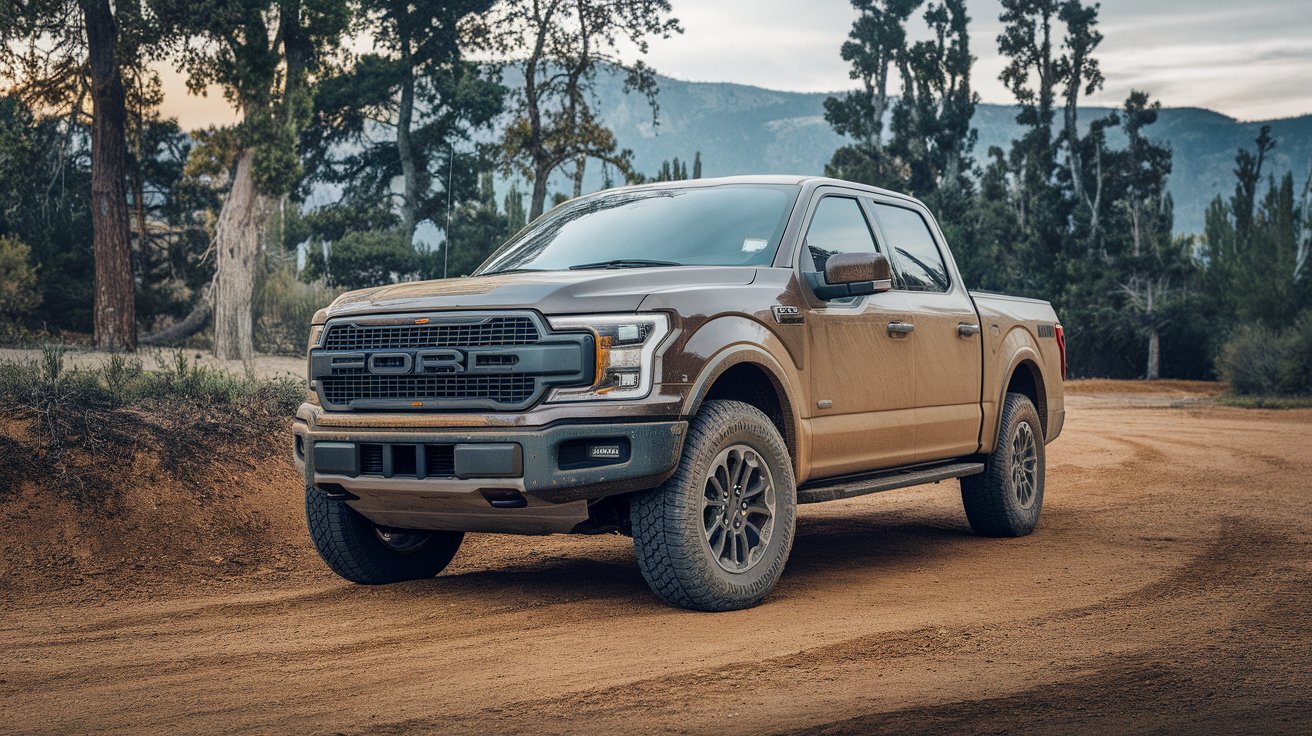
The Ford Lobo F-150 is the name used for the Ford F-150 in the Mexican market, and the 2026 Ford Lobo combines the familiar F-150 platform with premium equipment, powerful engines, four-wheel-drive capability, and specialized versions for luxury and off-road driving.
For 2026, Ford México offers the Lobo in several configurations, including Lariat, King Ranch, Tremor High, Platinum, and Platinum Plus Hybrid. Engine choices include a 3.5-liter EcoBoost V6 producing 400 horsepower and 500 lb-ft of torque, plus a 3.5-liter PowerBoost hybrid V6 producing 430 horsepower and 570 lb-ft of torque in the Platinum Plus Hybrid.
The result is a full-size pickup designed to cover several roles, from everyday driving and towing to premium transportation and off-road adventures.
What Is the Ford Lobo F-150?
The Ford Lobo is essentially the Mexican-market identity of the F-150. While the name differs from the F-150 branding used in the United States, the Lobo belongs to the same broader F-Series pickup family.
Ford México describes the 2026 Lobo as a pickup combining performance, capability, technology, and luxury. The model is available with four-wheel drive across the listed 2026 versions, while equipment varies considerably between Lariat, King Ranch, Tremor, Platinum, and Platinum Plus Hybrid models.
The Lobo lineup is particularly interesting because it does not focus on only one type of buyer. The Lariat and Platinum emphasize everyday usability and premium equipment, the King Ranch adds a luxury-oriented character, while the Tremor and Tremor High are configured with additional off-road hardware.
The Platinum Plus Hybrid, meanwhile, combines luxury features with Ford’s PowerBoost hybrid powertrain.
Ford Lobo 2026 Engine and Performance
The main gasoline engine in the 2026 Ford Lobo is a 3.5L EcoBoost V6. Ford México lists it at 400 horsepower and 500 lb-ft of torque. It is available across the Lobo Lariat, King Ranch, Tremor, Tremor High, and Platinum configurations.
The higher-output hybrid option is the 3.5L PowerBoost V6, which produces 430 horsepower and 570 lb-ft of torque in the Platinum Plus Hybrid. Ford describes the PowerBoost system as a full hybrid powertrain, combining strong torque with additional electrical capability.
For comparison, Ford’s U.S.-market 2026 F-150 lineup also includes several other powertrains, including the 2.7L EcoBoost V6, 5.0L V8, 3.5L EcoBoost V6, PowerBoost hybrid, and high-output engines for Raptor models. Exact engines and specifications depend on market and trim, so U.S. F-150 specifications should not automatically be applied to a Mexican-market Lobo.
That distinction is important when researching Ford Lobo F-150 specs, because Mexican-market Lobo configurations differ from the complete U.S. F-150 range.
Ford Lobo Towing and Payload Capacity
Towing is one of the major strengths of the 2026 Ford Lobo F-150. According to Ford México, maximum towing capacity reaches 5,942 kg, while maximum payload reaches 884 kg, depending on configuration.
The capacity varies by trim:
| Ford Lobo 2026 Version | Max Towing | Max Payload |
|---|---|---|
| Tremor | 4,626 kg | 787 kg |
| Tremor High | 4,626 kg | 787 kg |
| Lariat | 4,717 kg | 884 kg |
| King Ranch | 5,942 kg | 787 kg |
| Platinum | 5,942 kg | 884 kg |
| Platinum Plus Hybrid | 5,080 kg | 796 kg |
These are maximum ratings and are configuration-dependent. Actual towing and payload capability can change with equipment, passengers, cargo, trailer configuration, and other factors. Ford’s documentation specifically notes that towing and payload ratings should be checked for the individual vehicle.
The PowerBoost hybrid version has a maximum listed towing capacity of 5,080 kg, which makes it relevant for buyers who want hybrid technology without giving up substantial trailer capability.
Ford Lobo Dimensions, Bed and Capacity
The 2026 Ford Lobo has a substantial full-size pickup footprint. Ford México lists a length of 5,885 mm, a height of 1,960 mm, and a width of 2,029 mm without mirrors for the principal Lobo versions. The listed cargo-bed length is 1,676 mm, with a maximum bed width of 1,531 mm.
The large dimensions provide useful cargo space while also giving the Lobo its imposing road presence.
The truck is also equipped with 4×4 capability, and the Tremor versions receive additional hardware intended for off-road use. Ford’s technical catalog lists features including an off-road-calibrated suspension, specialized high-performance shock absorbers, Trail Control, Trail Turn Assist, a locking rear differential, and multiple drive modes on Tremor configurations.
Ford Lobo Tremor and Off-Road Features
The Ford Lobo Tremor is the version aimed more directly at off-road driving. Compared with the luxury-focused trims, the Tremor emphasizes specialized suspension and terrain-management equipment.
Ford lists seven drive modes for Tremor and Tremor High, including Normal, Tow/Haul, Eco, Sport, Slippery, Off-Road, and Rock Crawl. The Tremor versions also receive dedicated front monotube and rear twin-tube performance shocks.
Other equipment includes Trail Control, one-pedal trail driving functionality, Trail Turn Assist, a locking rear differential, and a four-wheel-drive system.
These features are designed for situations where traction, controlled low-speed movement, and suspension performance are more important than simply driving on paved roads.
Ford Lobo Interior, Technology and Luxury Features
The higher-specification Ford Lobo versions combine pickup capability with equipment normally associated with premium vehicles.
The Platinum Plus Hybrid is particularly feature-rich. Ford México lists multicontour leather seats with massage, a 12-inch touchscreen with SYNC 4, wireless Apple CarPlay and Android Auto, and the Pro Power Onboard generator capable of providing up to 7.2 kW of electrical power.
The truck can therefore serve as both a transportation vehicle and a mobile power source for tools, equipment, recreational gear, or other compatible devices.
Ford also offers trailer-focused technology, including Trailer Reverse Guidance and trailer maneuvering assistance on applicable configurations, helping drivers manage large trailers more easily.
Ford Lobo 2026 vs. F-150: What Is the Difference?
The biggest difference when comparing Ford Lobo vs. Ford F-150 is the market and available configurations.
Ford’s U.S. 2026 F-150 lineup includes eight major trim levels, from XL and STX through XLT, Lariat, King Ranch, Platinum, Tremor, and Raptor, with several engine options.
The Mexican-market Lobo uses the F-150 nameplate’s broader platform but has its own trim and engine availability. Ford México’s 2026 Lobo range focuses on Lariat, King Ranch, Tremor High, Platinum, and Platinum Plus Hybrid configurations.
Therefore, buyers searching for Ford Lobo F-150 2026 should check specifications for the exact country and trim rather than assuming that every U.S. F-150 feature is available on every Lobo.
Ford Lobo F-150 2026: Final Overview
The 2026 Ford Lobo F-150 brings together the major qualities expected from a modern full-size pickup: strong towing capability, substantial payload capacity, four-wheel drive, advanced technology, luxury equipment, and multiple powertrain choices.
The 3.5L EcoBoost delivers 400 horsepower and 500 lb-ft of torque, while the PowerBoost hybrid reaches 430 horsepower and 570 lb-ft. Maximum listed towing capacity reaches 5,942 kg, depending on configuration.
For buyers interested in off-road driving, the Tremor adds specialized suspension, terrain modes, Trail Control, Trail Turn Assist, and a locking rear differential. For luxury-oriented buyers, the Platinum and Platinum Plus Hybrid provide premium interiors and advanced technology.
Because Ford offers different specifications in different markets, the most important step when researching a Ford Lobo F-150 for sale in 2026 is to verify the exact trim, engine, equipment, towing rating, and local pricing with an authorized Ford dealer. Ford also notes that specifications and equipment can change, so the latest local information should be confirmed before purchase.

The Danish word Fascisterne translates most directly into English as “the fascists.” Although the word is simple to translate, understanding its meaning requires some historical and linguistic context. Fascisterne does not, by itself, identify one particular political party or organization. Instead, it refers to people identified with fascism, with the exact group depending on the surrounding context.
The term is particularly relevant when studying European political history, World War II, Denmark, authoritarian movements, and the development of fascism during the twentieth century. In Danish historical writing, it may describe Italian Fascists, Danish fascists, Nazi movements, or another group identified as fascist.
What Does Fascisterne Mean in English?
Fascisterne is a Danish grammatical form meaning “the fascists.” It is the definite plural form of fascist, rather than the name of an ideology itself.
The basic Danish forms can be understood as follows:
| Danish | English |
|---|---|
| fascist | a fascist |
| fascisten | the fascist |
| fascister | fascists |
| fascisterne | the fascists |
| fascisme | fascism |
This distinction matters when translating Danish historical material. Fascisterne describes people, while fascisme describes the political ideology and movement. Consequently, translating fascisterne simply as “fascism” would change the meaning of the original word.
The word also does not automatically tell us which fascists are being discussed. A Danish text about Benito Mussolini could use fascisterne for Italian Fascists, while a text about Denmark during the 1930s or 1940s could use it for Danish fascist or Nazi supporters.
The Origin of Fascism and the Word Fascisterne
To understand Fascisterne, we first need to understand the history of fascism itself. Modern fascism developed in Italy after World War I, most famously through the movement led by Benito Mussolini.
The terminology has an older historical connection. The word fascism is related to the Latin fascis, meaning a bundle of rods. The fasces was an ancient Roman symbol associated with authority and public power. It was subsequently adopted as an important symbol by Mussolini’s movement.
Fascism developed into an authoritarian political movement characterized by extreme nationalism, rejection of liberal democratic politics, centralized political authority, mass mobilization, propaganda, and suppression of political opposition. However, fascist movements were not identical everywhere. Their policies and organizations varied according to national circumstances.
As fascism expanded across Europe during the interwar period, related movements emerged in numerous countries. Some closely followed Italian Fascism, while others were more heavily influenced by German National Socialism.
Fascism, Fascists, and Nazism: Important Differences
One of the most important points when studying Fascisterne is that fascism and Nazism should not automatically be treated as identical terms.
Fascism is a broader political category associated historically with authoritarian and ultranationalist movements. Nazism, or National Socialism, was the ideology of Adolf Hitler’s German Nazi movement. Nazism shared important characteristics with fascist politics but placed especially strong emphasis on racial ideology, antisemitism, biological racism, and territorial expansion.
This means that describing every historical fascist movement as exactly the same as the German Nazi Party can oversimplify history.
At the same time, the two traditions were closely connected in Europe during the 1930s and World War II. Several political movements adopted ideas, symbols, organizational structures, or political strategies influenced by Nazi Germany.
Understanding this distinction makes historical discussions of Fascisterne much more accurate.
Fascisterne and Danish History
The word has a particularly interesting connection with Denmark’s history in the 1930s and during the German occupation from 1940 to 1945.
Denmark had its own National Socialist movement, the Danmarks Nationalsocialistiske Arbejderparti (DNSAP), or National Socialist Workers’ Party of Denmark. The party was founded on November 16, 1930, and initially led by Cay Lembcke. In 1933, Frits Clausen became its principal leader.
DNSAP was strongly influenced by the German Nazi Party and adopted several features associated with German National Socialism. Its program, organization, political symbolism, and public presentation reflected this influence.
However, it is important not to assume that the party represented the majority of Danish society. DNSAP remained a relatively small political force. At the 1939 election, it received approximately 1.8% of the vote and won three seats in the Danish parliament.
Research into Scandinavian fascist movements also shows that these movements remained politically marginal compared with the major democratic parties of the region during the 1930s.
Fascisterne During the German Occupation
The German occupation of Denmark began on April 9, 1940, during World War II. The political situation subsequently became more complicated as Danish authorities attempted to maintain government institutions while operating under German occupation.
DNSAP supported Hitler’s invasion and hoped that German victory could create an opportunity for a stronger National Socialist role in Denmark. Nevertheless, Germany did not simply replace the Danish government with a DNSAP government. The existing Danish political and administrative structure remained important during much of the occupation.
This historical background explains why references to Fascisterne in Danish World War II material can involve several different groups and political relationships.
It can refer broadly to fascist sympathizers, specifically to Danish Nazi activists, or to other authoritarian movements depending on the source.
Why Fascisterne Matters in Historical Research
The importance of Fascisterne goes beyond translating one Danish word. It provides a useful entry point into the study of political extremism, democracy, authoritarianism, nationalism, propaganda, and World War II.
Historical fascist movements demonstrated how political organizations could exploit economic uncertainty, social conflict, fear, and dissatisfaction with established political institutions.
They also demonstrated the dangers of dismantling democratic checks and balances. Fascist governments and movements frequently attempted to weaken political opposition, control public discourse, mobilize mass organizations, and concentrate power around authoritarian leadership.
Studying these developments allows us to understand why democratic institutions, freedom of expression, independent journalism, political pluralism, and legal protections became such important subjects after World War II.
How the Word Fascisterne Is Used Today
In 2026, Fascisterne can still appear in Danish historical writing, political commentary, journalism, literature, and discussions about twentieth-century Europe.
Its meaning remains dependent on context. In a historical discussion of Mussolini, it may mean Italian Fascists. In a Danish World War II discussion, it may refer to Danish fascists or Nazi supporters. In another context, it may describe a broader collection of people associated with fascist political ideas.
For this reason, we should avoid treating Fascisterne as the official name of a single organization. It is primarily a Danish grammatical expression meaning “the fascists.”
Modern political discussions also sometimes use fascist as a general insult or accusation. Such usage should be distinguished from the historical and academic meaning of fascism. Calling a person or organization fascist requires more than identifying authoritarian behavior; historians generally examine ideology, political organization, nationalism, attitudes toward democracy, violence, leadership, and other characteristics within their historical context.
Frequently Asked Questions About Fascisterne
What does Fascisterne mean?
Fascisterne means “the fascists” in Danish. It is the definite plural form of fascist.
Is Fascisterne the Danish word for fascism?
No. Fascisme is the Danish word for fascism, while Fascisterne means “the fascists,” referring to people or a group of people.
Is Fascisterne the name of a political party?
Not by itself. The term is a grammatical expression and does not identify one specific party or organization. The exact group depends on context.
Who were the major fascists in European history?
The most prominent early fascist leader was Benito Mussolini, whose Italian Fascist movement became the model for several later European movements. Other movements developed independently or under the influence of Italian Fascism and German National Socialism.
What was the major Danish Nazi party?
The National Socialist Workers’ Party of Denmark (DNSAP) was the largest Danish Nazi party before and during World War II. It was founded in 1930 and remained politically limited despite having thousands of members.
Why is Fascisterne important today?
The word remains important because it appears in discussions of Danish history, fascism, World War II, Nazism, democracy, and political extremism. Understanding its precise meaning prevents historical and linguistic confusion.
In conclusion
Fascisterne simply means “the fascists,” but its historical significance is much broader. The term connects Danish language with the history of fascism in Europe and, particularly, with Denmark’s own experience of fascist and Nazi movements during the turbulent decades surrounding World War II. Understanding the difference between Fascisterne, fascisme, fascism, and Nazism gives us a clearer and more accurate view of one of the most consequential political developments of the twentieth century.

Finding out how many people share your name can be surprisingly interesting. A name may feel unique within a family, school, workplace, or local community, yet thousands of other people may have the same first and last name combination. HowManyofMe is a name-search concept designed to help people explore this question by estimating how many individuals in the United States may share a particular name.
In 2026, online name-search tools remain useful for curiosity, genealogy research, identity exploration, and understanding how common or uncommon a name may be. However, we should understand what these tools actually measure, where their information comes from, and why the results should be treated as estimates rather than exact population counts.
What Is HowManyofMe?
HowManyofMe refers to an online name-search service that became known for answering a simple question: “How many people have my name?” Users can enter a first name and last name and receive an estimate of how many people in the United States may have that combination.
The appeal is straightforward. Instead of searching through directories manually, a name calculator provides an easy way to explore the popularity of a personal name.
For example, someone named Michael Johnson might wonder how many other people have exactly the same first and last name. Because both Michael and Johnson are relatively common names, the resulting estimate can be considerably higher than it would be for an unusual combination.
The important distinction is that HowManyofMe does not necessarily provide a complete, real-time census of every person with a particular name. The results are estimates generated from available demographic and naming data.
How Does a HowManyofMe Name Search Work?
A typical HowManyofMe search requires two pieces of information:
- First name
- Last name
The system then compares the popularity of those names against demographic information to estimate how frequently the combination may occur.
The basic idea is statistical. If a first name is extremely common and a surname is also common, the probability of finding people who share both names increases. Conversely, an uncommon first name combined with a rare surname is likely to produce a much smaller estimate.
This means the calculation is not simply counting names from one public database. Instead, it relies on statistical relationships between name frequency and population data.
For users, this makes the process simple: enter the name, submit the search, and review the estimated number.
Why Are Some Names Much More Common Than Others?
Name frequency varies considerably because of population size, historical naming traditions, immigration, geography, culture, and family patterns.
First names can become common when they remain popular across several generations. Names associated with historical figures, celebrities, fictional characters, religious traditions, or cultural trends can also experience periods of increased popularity.
Last names develop differently. Many surnames have centuries of history and can be associated with particular geographic regions or linguistic traditions. Some surnames are widespread because large numbers of families carried them across different countries and generations.
When first-name and surname frequencies overlap, a seemingly ordinary name can belong to a surprisingly large number of people.
For instance, a common first name paired with a common surname creates many possible combinations. A rare first name paired with an uncommon surname creates fewer.
How Accurate Is HowManyofMe?
The most important thing to remember is that a HowManyofMe result should be considered an estimate rather than an exact number.
There are several reasons why an online name calculator cannot necessarily identify every individual with a particular name.
First, demographic databases may not contain every resident. Second, data sources can use different collection methods, time periods, and definitions. Third, people can change their names through marriage, legal processes, adoption, or personal choice.
There are also spelling variations. Two surnames may sound almost identical but be recorded differently. A person might use a middle name, nickname, abbreviated name, or alternative spelling instead of the name appearing on official records.
Population changes also matter. People are born and die continuously, while individuals move between countries and regions. Therefore, even an accurate historical estimate can become outdated over time.
For these reasons, we should interpret a HowManyofMe number as a statistical approximation rather than a definitive population count.
What Can We Learn From a Name Search?
A name search can reveal more than simple curiosity. It can provide a useful starting point for understanding name popularity and uniqueness.
Someone researching their family history may use a name-frequency tool to understand whether a surname is relatively widespread. Genealogy researchers can combine this information with census records, historical documents, birth records, immigration records, and family archives.
Name searches can also be entertaining. People frequently discover that their supposedly unique name is shared by many others.
Another interesting use is comparing names within a family. Parents choosing a child’s name may want to know whether a particular first name is exceptionally common or relatively unusual. Students can use name statistics for demographic projects, while writers may use them when developing realistic character names.
However, a name-frequency result should not be interpreted as evidence that two people with the same name are related. Sharing a name does not establish a family connection.
HowManyofMe and Privacy Considerations
When searching for information about names online, privacy should remain an important consideration.
A name-search service is fundamentally different from a comprehensive background investigation. A name alone generally cannot establish someone’s identity, location, occupation, age, or personal history.
At the same time, users should avoid entering unnecessary sensitive information into unfamiliar websites. A basic name search normally requires only the information necessary to perform the calculation.
We should also distinguish between name frequency and personal identification. Knowing that hundreds or thousands of people may share a particular name does not tell us which specific individuals they are.
This distinction is particularly important when researching someone else. A common name can correspond to many unrelated people, so assumptions based solely on matching names can easily produce incorrect conclusions.
How to Interpret Your HowManyofMe Result in 2026
When reviewing a result, we should ask what the number actually represents.
A relatively high estimate means that the first and last names are statistically common enough to produce numerous potential matches. A very low estimate suggests that the combination is relatively uncommon within the data used by the service.
Neither result necessarily means that the exact number is correct today.
For a more complete understanding, we can compare name-frequency information with official demographic sources, genealogy databases, historical census information, and reputable statistical resources. Combining several sources provides more context than relying on one online calculator.
We should also remember that a name’s popularity can change. A first name that was uncommon several decades ago may become fashionable, while another may decline in popularity. Surnames can also become more or less prevalent within particular populations because of migration and demographic changes.
Final Thoughts on HowManyofMe
HowManyofMe remains an interesting way to explore the question of how many people may share our name. Its appeal comes from turning an ordinary personal detail into a simple statistical question.
The key is understanding the difference between an estimate and an exact count. Name-frequency tools can provide useful context, but their results depend on the underlying data, statistical assumptions, population coverage, and date of the information.
For casual curiosity, genealogy research, demographic exploration, or learning about name popularity, a service such as HowManyofMe can be a useful starting point. For serious research, however, we should supplement name-search results with authoritative records and multiple independent sources.
Ultimately, discovering that other people share our name can be both surprising and informative. A name may be rare, common, or somewhere in between—but its frequency is only one small part of the much larger story behind personal identity, family history, and population change.
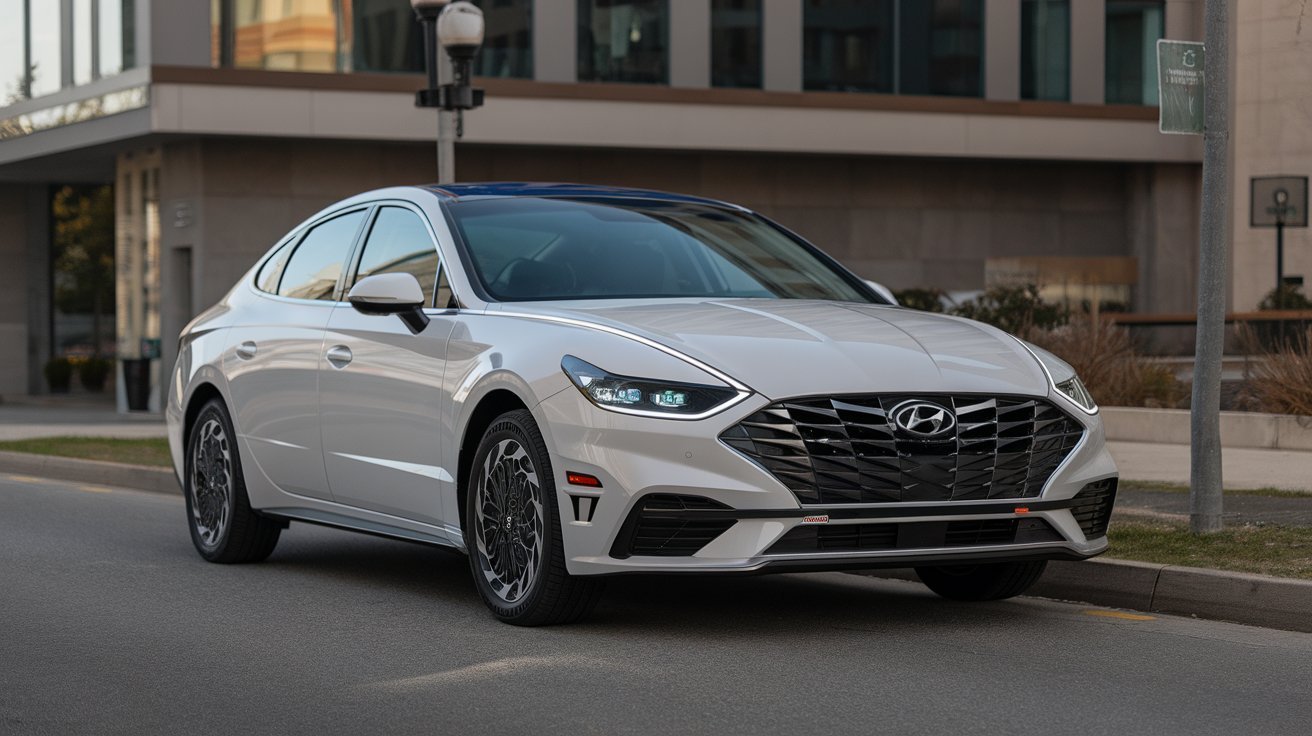
The 2024 Hyundai Sonata SEL is a midsize sedan that combines practical transportation with modern technology, comfortable seating, strong standard safety equipment, and an updated exterior design. For the 2024 model year, Hyundai gave the Sonata a significant styling and technology refresh while also introducing HTRAC all-wheel drive (AWD) as an option on the SEL.
The gasoline-powered SEL uses a 2.5-liter four-cylinder engine producing 191 horsepower and 181 lb-ft of torque, paired with an eight-speed automatic transmission. The front-wheel-drive model had a starting MSRP of $27,500, while the SEL with AWD started at $29,000, before destination charges and other applicable costs.
For drivers looking for a comfortable sedan with useful technology and available all-weather traction, the 2024 Hyundai Sonata SEL provides a well-rounded package.
2024 Hyundai Sonata SEL Engine and Performance
The 2024 Hyundai Sonata SEL is powered by a 2.5-liter four-cylinder gasoline engine. It produces 191 horsepower at 6,100 rpm and 181 lb-ft of torque at 4,000 rpm. An eight-speed automatic transmission sends power to the wheels.
The standard SEL configuration uses front-wheel drive, while Hyundai introduced an important new option for 2024: HTRAC all-wheel drive. This made the SEL particularly notable because the Sonata had not previously offered AWD in the U.S. market. Hyundai describes the system as front-wheel-drive based and designed to adjust power distribution according to driving conditions.
Drivers can also select different drive modes. Depending on configuration, the Sonata provides Normal, Smart, Sport, and Custom modes, while the AWD version also incorporates a Snow mode for appropriate conditions.
The SEL is not intended to deliver the acceleration of the turbocharged Sonata N Line. Instead, its 2.5-liter engine focuses on a balance between everyday performance, smooth operation, and reasonable fuel consumption.
Exterior Design and 2024 Sonata Refresh
One of the most important changes for the 2024 Hyundai Sonata SEL is its redesigned exterior. Hyundai gave the sedan a more modern appearance featuring a wider front-end design, a distinctive seamless horizon lamp, updated lighting, and a lower, more athletic profile. Hyundai described the refreshed Sonata as its sportiest design to that point.
The SEL comes with 17-inch alloy wheels and 215/55R17 tires. LED lighting is used for several exterior functions, including the daytime running lights and taillights.
The redesign gives the Sonata a more contemporary appearance without abandoning the practicality expected from a four-door sedan. Its long body provides useful passenger and cargo space while its relatively low roofline contributes to its sporty appearance.
The 2024 model measures approximately 193.3 inches long, 73.2 inches wide, and 56.9 inches high, with a 111.8-inch wheelbase.
Interior Comfort and Technology
Inside, the 2024 Hyundai Sonata SEL focuses heavily on technology and everyday convenience. A 12.3-inch touchscreen display is standard, along with wireless and wired Apple CarPlay and Android Auto compatibility. Hyundai also made wireless smartphone integration available throughout the 2024 Sonata range.
The SEL also includes heated front seats, dual-zone automatic climate control, a proximity key with push-button start, USB connectivity, Bluetooth, and a hands-free smart trunk release. The driver’s seat is power adjustable, adding convenience during longer trips.
An available Convenience Package adds equipment such as wireless device charging, 18-inch alloy wheels, a 12.3-inch digital instrument cluster, a leather-wrapped steering wheel, and a panoramic sunroof, depending on configuration.
One of the most noticeable technology changes across the redesigned Sonata is the optional 12.3-inch panoramic curved display, which combines the instrument cluster and navigation screen into a visually connected layout on higher-equipped versions.
Safety and Driver-Assistance Features
Safety technology is a major part of the 2024 Sonata SEL package. Hyundai provides a broad selection of driver-assistance features, including Forward Collision-Avoidance Assist with pedestrian and cyclist detection, Blind-Spot Collision Warning, Rear Cross-Traffic Collision-Avoidance Assist, Lane Keeping Assist, and Lane Following Assist.
The SEL also includes Smart Cruise Control with Stop & Go, allowing the system to automatically adjust speed in appropriate situations. High Beam Assist is also standard.
The 2024 Sonata includes multiple airbags, including front, front-side, rear-side, curtain, and a driver’s knee airbag. A rearview camera with dynamic guidelines is also standard.
These technologies are designed to assist the driver rather than replace attentive driving. Their availability and operation can vary according to conditions, road markings, traffic, and other factors.
2024 Hyundai Sonata SEL MPG and Fuel Economy
Fuel economy varies slightly depending on whether the 2024 Hyundai Sonata SEL uses front-wheel drive or AWD.
For the FWD SEL, Edmunds lists an EPA rating of 25 mpg city and 36 mpg highway, with 29 mpg combined. The AWD version is rated lower, with Cars.com listing 28 mpg combined, reflecting the additional drivetrain hardware.
The Sonata has a 15.9-gallon fuel tank, giving it useful highway range for commuting and road trips.
Actual fuel economy can vary because driving style, traffic, weather, tire condition, passenger load, road conditions, and vehicle maintenance all affect fuel consumption.
For buyers primarily concerned with fuel efficiency, the Sonata Hybrid is a different option in the 2024 lineup. However, the gasoline SEL offers the simplicity of a conventional powertrain and the choice between FWD and AWD.
2024 Hyundai Sonata SEL Price and Trim Value
The 2024 Hyundai Sonata SEL FWD launched with an MSRP of $27,500, while the SEL AWD started at $29,000. Hyundai announced a $1,115 destination charge for the 2024 Sonata model year, so the final purchase price was higher than the base MSRP.
The SEL sits above the base Sonata SE in the gasoline lineup and adds useful equipment that can make it more attractive for daily driving. Heated front seats, a large infotainment display, advanced driver assistance, dual-zone climate control, wireless smartphone integration, and a smart trunk are among its notable features.
The AWD option is particularly significant for buyers who regularly drive in rain, snow, or other conditions where additional traction can be useful. However, the FWD model offers better EPA-rated fuel economy and has a lower starting price.
2024 Hyundai Sonata SEL Dimensions, Cargo Space, and Practicality
The 2024 Hyundai Sonata SEL is designed to function as an everyday family and commuter vehicle. It seats five passengers and provides approximately 16 cubic feet of trunk space, according to Edmunds.
Its 193.3-inch overall length places it firmly in the midsize sedan category. The relatively long wheelbase helps provide useful cabin space for both front and rear passengers.
The 60/40 split-folding rear seatback provides additional flexibility when carrying larger items. The hands-free smart trunk further improves convenience for everyday errands.
The sedan’s practical dimensions, comfortable cabin, technology, and available AWD make the SEL suitable for commuting, family transportation, highway travel, and general daily use.
Frequently Asked Questions About the 2024 Hyundai Sonata SEL
How much horsepower does the 2024 Hyundai Sonata SEL have?
The SEL’s 2.5-liter four-cylinder engine produces 191 horsepower and 181 lb-ft of torque.
Does the 2024 Hyundai Sonata SEL have AWD?
Yes. For 2024, Hyundai introduced HTRAC AWD as an option on the SEL. The standard configuration is front-wheel drive.
What is the 2024 Sonata SEL’s fuel economy?
The FWD model is rated at approximately 25 mpg city, 36 mpg highway, and 29 mpg combined. AWD reduces the combined rating to approximately 28 mpg.
How much did the 2024 Hyundai Sonata SEL cost when new?
The starting MSRP was $27,500 for the FWD SEL and $29,000 for the AWD SEL, before destination and other costs.
What transmission does the 2024 Sonata SEL use?
It uses an eight-speed automatic transmission.
Does the 2024 Sonata SEL have Apple CarPlay?
Yes. Wireless Apple CarPlay and Android Auto are available as standard features on the 2024 Sonata lineup.
Conclusion
The 2024 Hyundai Sonata SEL combines a refreshed exterior, practical midsize-sedan dimensions, a 191-horsepower 2.5-liter engine, an eight-speed automatic transmission, modern infotainment, extensive driver-assistance technology, and comfortable interior features.
Its most significant 2024 upgrade is the availability of HTRAC all-wheel drive, giving SEL buyers an alternative to the standard front-wheel-drive configuration. At the same time, the redesigned body, standard 12.3-inch display, wireless smartphone integration, heated front seats, smart trunk, and broad safety technology make the SEL a well-equipped everyday sedan.
For buyers researching the 2024 Hyundai Sonata SEL, the key specifications to remember are its 191-hp 2.5-liter engine, available AWD, 29-mpg combined FWD rating, five-passenger seating, approximately 16-cubic-foot trunk, and $27,500 original FWD starting MSRP.

Picazor: A Complete Guide to Its Features, Uses, Benefits, and Online Experience in 2026

How to Fix a Broken Screen Protector: A Complete Guide for 2026

Fascisterne: Meaning, History, Fascism, and the Danish Context in 2026

Elisa Gayle Ritter: Biography, Career, Family, Personal Life, and Everything You Need to Know

AOPG Wiki (2026): Complete Guide to A One Piece Game Wiki, Features, Islands, Fruits, Codes, and Progression

Anne Steves: The Untold Story of Rick Steves’ Former Wife, Family, and Private Life
 News3 months ago
Elisa Gayle Ritter: Biography, Career, Family, Personal Life, and Everything You Need to Know
- Game3 months ago
AOPG Wiki (2026): Complete Guide to A One Piece Game Wiki, Features, Islands, Fruits, Codes, and Progression
- News3 months ago
Anne Steves: The Untold Story of Rick Steves’ Former Wife, Family, and Private Life
- celebrity3 months ago
Roman Walker Zelman: Everything You Need to Know
- celebrity3 months ago
Xavier Smalls Wikipedia: Biography, Age, Career, Family, Education, and Latest Updates (2026)
- Blog3 months ago
5 Letter Word Ending in Y: Complete List, Meanings, Examples, and Word Game Tips (2026 Guide)
- celebrity2 months ago
Lacey M: Online Identity, Social Media Presence, Content Trends, and Digital Influence in 2026
- Blog2 months ago
Almawadahit.com Blog: A Complete 2026 Guide to Its Content, Features, and Reader Benefits