
Blog
Fascisterne: Meaning, History, Fascism, and the Danish Context in 2026


The Danish word Fascisterne translates most directly into English as “the fascists.” Although the word is simple to translate, understanding its meaning requires some historical and linguistic context. Fascisterne does not, by itself, identify one particular political party or organization. Instead, it refers to people identified with fascism, with the exact group depending on the surrounding context.
The term is particularly relevant when studying European political history, World War II, Denmark, authoritarian movements, and the development of fascism during the twentieth century. In Danish historical writing, it may describe Italian Fascists, Danish fascists, Nazi movements, or another group identified as fascist.
What Does Fascisterne Mean in English?
Fascisterne is a Danish grammatical form meaning “the fascists.” It is the definite plural form of fascist, rather than the name of an ideology itself.
The basic Danish forms can be understood as follows:
| Danish | English |
|---|---|
| fascist | a fascist |
| fascisten | the fascist |
| fascister | fascists |
| fascisterne | the fascists |
| fascisme | fascism |
This distinction matters when translating Danish historical material. Fascisterne describes people, while fascisme describes the political ideology and movement. Consequently, translating fascisterne simply as “fascism” would change the meaning of the original word.
The word also does not automatically tell us which fascists are being discussed. A Danish text about Benito Mussolini could use fascisterne for Italian Fascists, while a text about Denmark during the 1930s or 1940s could use it for Danish fascist or Nazi supporters.
The Origin of Fascism and the Word Fascisterne
To understand Fascisterne, we first need to understand the history of fascism itself. Modern fascism developed in Italy after World War I, most famously through the movement led by Benito Mussolini.
The terminology has an older historical connection. The word fascism is related to the Latin fascis, meaning a bundle of rods. The fasces was an ancient Roman symbol associated with authority and public power. It was subsequently adopted as an important symbol by Mussolini’s movement.
Fascism developed into an authoritarian political movement characterized by extreme nationalism, rejection of liberal democratic politics, centralized political authority, mass mobilization, propaganda, and suppression of political opposition. However, fascist movements were not identical everywhere. Their policies and organizations varied according to national circumstances.
As fascism expanded across Europe during the interwar period, related movements emerged in numerous countries. Some closely followed Italian Fascism, while others were more heavily influenced by German National Socialism.
Fascism, Fascists, and Nazism: Important Differences
One of the most important points when studying Fascisterne is that fascism and Nazism should not automatically be treated as identical terms.
Fascism is a broader political category associated historically with authoritarian and ultranationalist movements. Nazism, or National Socialism, was the ideology of Adolf Hitler’s German Nazi movement. Nazism shared important characteristics with fascist politics but placed especially strong emphasis on racial ideology, antisemitism, biological racism, and territorial expansion.
This means that describing every historical fascist movement as exactly the same as the German Nazi Party can oversimplify history.
At the same time, the two traditions were closely connected in Europe during the 1930s and World War II. Several political movements adopted ideas, symbols, organizational structures, or political strategies influenced by Nazi Germany.
Understanding this distinction makes historical discussions of Fascisterne much more accurate.
Fascisterne and Danish History
The word has a particularly interesting connection with Denmark’s history in the 1930s and during the German occupation from 1940 to 1945.
Denmark had its own National Socialist movement, the Danmarks Nationalsocialistiske Arbejderparti (DNSAP), or National Socialist Workers’ Party of Denmark. The party was founded on November 16, 1930, and initially led by Cay Lembcke. In 1933, Frits Clausen became its principal leader.
DNSAP was strongly influenced by the German Nazi Party and adopted several features associated with German National Socialism. Its program, organization, political symbolism, and public presentation reflected this influence.
However, it is important not to assume that the party represented the majority of Danish society. DNSAP remained a relatively small political force. At the 1939 election, it received approximately 1.8% of the vote and won three seats in the Danish parliament.
Research into Scandinavian fascist movements also shows that these movements remained politically marginal compared with the major democratic parties of the region during the 1930s.
Fascisterne During the German Occupation
The German occupation of Denmark began on April 9, 1940, during World War II. The political situation subsequently became more complicated as Danish authorities attempted to maintain government institutions while operating under German occupation.
DNSAP supported Hitler’s invasion and hoped that German victory could create an opportunity for a stronger National Socialist role in Denmark. Nevertheless, Germany did not simply replace the Danish government with a DNSAP government. The existing Danish political and administrative structure remained important during much of the occupation.
This historical background explains why references to Fascisterne in Danish World War II material can involve several different groups and political relationships.
It can refer broadly to fascist sympathizers, specifically to Danish Nazi activists, or to other authoritarian movements depending on the source.
Why Fascisterne Matters in Historical Research
The importance of Fascisterne goes beyond translating one Danish word. It provides a useful entry point into the study of political extremism, democracy, authoritarianism, nationalism, propaganda, and World War II.
Historical fascist movements demonstrated how political organizations could exploit economic uncertainty, social conflict, fear, and dissatisfaction with established political institutions.
They also demonstrated the dangers of dismantling democratic checks and balances. Fascist governments and movements frequently attempted to weaken political opposition, control public discourse, mobilize mass organizations, and concentrate power around authoritarian leadership.
Studying these developments allows us to understand why democratic institutions, freedom of expression, independent journalism, political pluralism, and legal protections became such important subjects after World War II.
How the Word Fascisterne Is Used Today
In 2026, Fascisterne can still appear in Danish historical writing, political commentary, journalism, literature, and discussions about twentieth-century Europe.
Its meaning remains dependent on context. In a historical discussion of Mussolini, it may mean Italian Fascists. In a Danish World War II discussion, it may refer to Danish fascists or Nazi supporters. In another context, it may describe a broader collection of people associated with fascist political ideas.
For this reason, we should avoid treating Fascisterne as the official name of a single organization. It is primarily a Danish grammatical expression meaning “the fascists.”
Modern political discussions also sometimes use fascist as a general insult or accusation. Such usage should be distinguished from the historical and academic meaning of fascism. Calling a person or organization fascist requires more than identifying authoritarian behavior; historians generally examine ideology, political organization, nationalism, attitudes toward democracy, violence, leadership, and other characteristics within their historical context.
Frequently Asked Questions About Fascisterne
What does Fascisterne mean?
Fascisterne means “the fascists” in Danish. It is the definite plural form of fascist.
Is Fascisterne the Danish word for fascism?
No. Fascisme is the Danish word for fascism, while Fascisterne means “the fascists,” referring to people or a group of people.
Is Fascisterne the name of a political party?
Not by itself. The term is a grammatical expression and does not identify one specific party or organization. The exact group depends on context.
Who were the major fascists in European history?
The most prominent early fascist leader was Benito Mussolini, whose Italian Fascist movement became the model for several later European movements. Other movements developed independently or under the influence of Italian Fascism and German National Socialism.
What was the major Danish Nazi party?
The National Socialist Workers’ Party of Denmark (DNSAP) was the largest Danish Nazi party before and during World War II. It was founded in 1930 and remained politically limited despite having thousands of members.
Why is Fascisterne important today?
The word remains important because it appears in discussions of Danish history, fascism, World War II, Nazism, democracy, and political extremism. Understanding its precise meaning prevents historical and linguistic confusion.
In conclusion
Fascisterne simply means “the fascists,” but its historical significance is much broader. The term connects Danish language with the history of fascism in Europe and, particularly, with Denmark’s own experience of fascist and Nazi movements during the turbulent decades surrounding World War II. Understanding the difference between Fascisterne, fascisme, fascism, and Nazism gives us a clearer and more accurate view of one of the most consequential political developments of the twentieth century.
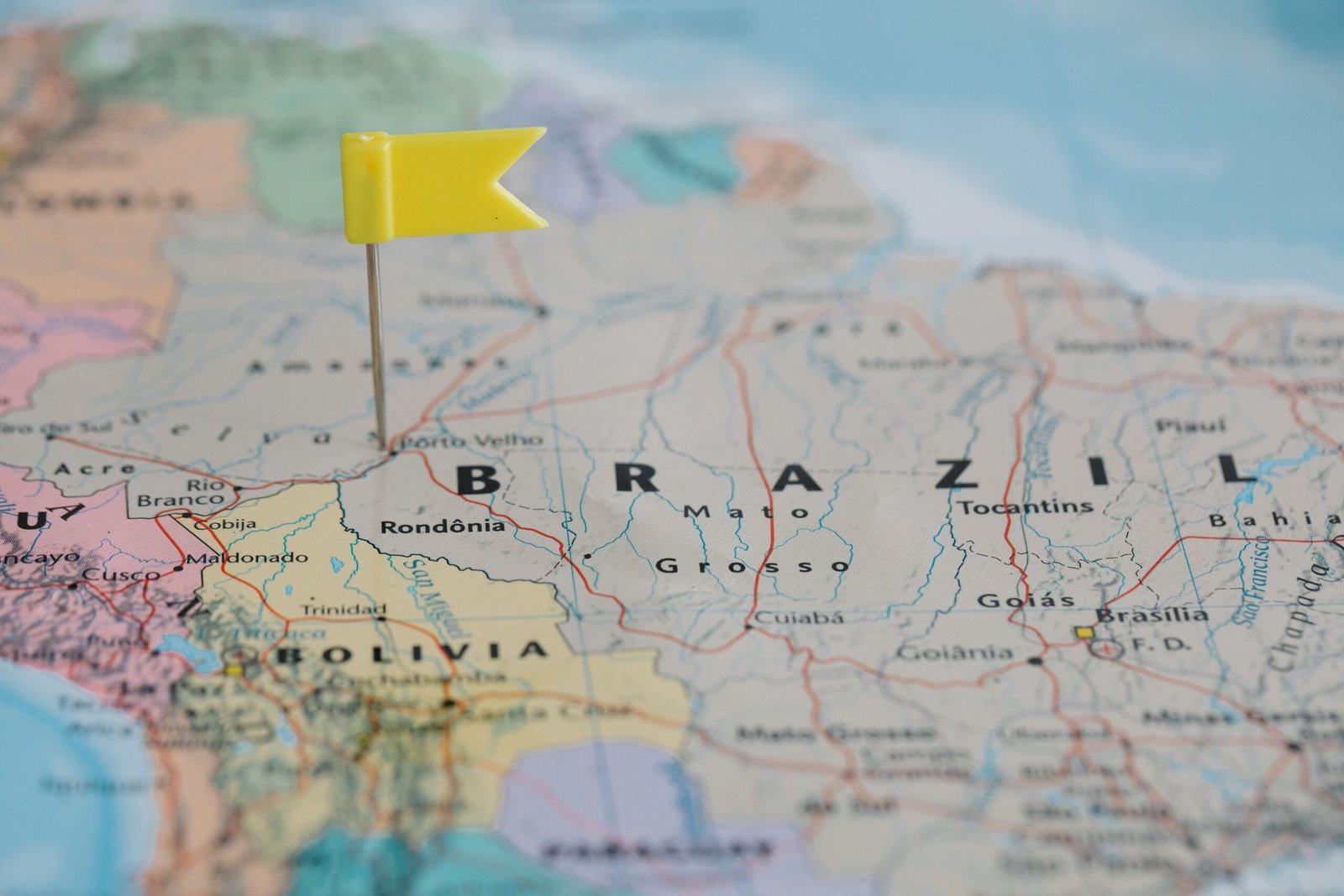
The 437 area code is associated with Toronto, Ontario, Canada, one of the country’s largest and most internationally recognized cities. If you receive a phone call from a number beginning with 437, you may be wondering where the call originates, whether the number belongs to a business or an individual, and how to determine whether it is legitimate.
Understanding the 437 area code can help us identify the general location associated with a phone number, recognize how Canadian telephone numbering works, and make informed decisions when answering unfamiliar calls. The code is part of the telephone numbering system serving Toronto and operates alongside other area codes assigned to the same geographic region.
In this guide, we explain the location of the 437 area code, its relationship with Toronto’s other area codes, the local time zone, dialing procedures, and practical ways to handle unfamiliar calls in 2026.
What Is the 437 Area Code?
The 437 area code is a Canadian telephone area code serving Toronto, Ontario. It is part of the North American Numbering Plan (NANP), the shared telephone numbering system used by Canada, the United States, and several other countries and territories.
Under this system, telephone numbers generally follow the format:
+1 (437) XXX-XXXX
Here is what each part means:
+1: The country calling code for Canada and the United States, as well as other NANP participants.
437: The three-digit area code associated with Toronto.
XXX-XXXX: The seven-digit local telephone number.
When a caller uses a 437 number, the area code indicates that the number belongs to the Toronto numbering region. However, it does not necessarily establish the caller’s current physical location. People can retain mobile numbers when moving, and internet-based calling services can allow calls to appear under numbers associated with different locations.
The 437 area code is used for ordinary telecommunications purposes, including personal mobile phones, business lines, and other telephone services. The exact subscriber or organization behind an individual number must be established separately.
Where Is the 437 Area Code Located?
The 437 area code serves Toronto, in the province of Ontario, Canada. Toronto is a major urban centre known for its financial district, diverse communities, universities, technology businesses, and international connections. The area code is not a separate region outside Toronto; it is part of a shared numbering area.
The 437 code was introduced on March 25, 2013, to provide additional telephone numbers for Toronto as demand for phone services increased. It was added as an overlay to the existing numbering region rather than replacing older numbers.
This means that two people living in the same part of Toronto can have different area codes. One person’s number might begin with 416, another’s with 647, and another’s with 437. The area code alone does not identify a specific Toronto neighbourhood or street.
Toronto also has the newer 942 area code, introduced on April 26, 2025, as another overlay for the same numbering region. Existing 437 numbers remain valid; the introduction of 942 does not mean that residents must replace their current telephone numbers.
437 Area Code Time Zone and Dialing Information
The 437 area code follows Eastern Time, the time zone used in Toronto. This is important when calling a person or business with a 437 number from another country or time zone.
Toronto observes two seasonal time settings:
Eastern Standard Time (EST): UTC−5 during the standard-time period.
Eastern Daylight Time (EDT): UTC−4 during daylight saving time.
Because the clocks change seasonally, we should check Toronto’s local time before making an international call. A call that is convenient during the afternoon in one country could arrive very early in the morning in Toronto.
For international callers, the usual dialing format is +1 437 XXX XXXX. Within Canada and other NANP locations, the standard ten-digit format is generally used for local calls in Toronto.
| Phone detail | Information |
|---|---|
| Area code | 437 |
| Country | Canada |
| Province | Ontario |
| Main city | Toronto |
| Time zone | Eastern Time |
| Country calling code | +1 |
| Local number format | 10 digits, including area code |
| Introduced | March 25, 2013 |
The Canadian Radio-television and Telecommunications Commission (CRTC) has documented Toronto’s overlapping 416, 437, and 647 numbering region and the introduction of additional numbering capacity.
Is a Call From the 437 Area Code Legitimate or a Scam?
A phone call from the 437 area code is not automatically a scam. It could come from a legitimate individual, company, service provider, or organization associated with Toronto. However, the displayed area code is not sufficient proof of the caller’s identity.
Fraudsters can use caller ID spoofing, a technique that changes the number displayed on the recipient’s phone. The CRTC explains that spoofed caller IDs may be used to make a call appear to come from a familiar person, local number, or legitimate organization.
We should pay attention to the caller’s behaviour rather than judging a call solely by its area code. Warning signs include:
Requests for passwords, verification codes, or banking information.
Unexpected messages claiming that a package cannot be delivered.
Threats involving arrest, account suspension, or immediate penalties.
Pressure to send money through gift cards, cryptocurrency, or unusual payment methods.
Text messages containing suspicious links or unexpected requests for personal information.
If a caller claims to represent a bank, government agency, delivery company, or telecommunications provider, we should end the conversation and contact that organization using the number published on its official website or on a trusted statement.
The CRTC also recommends reporting suspicious calls through appropriate Canadian reporting channels. Depending on the situation, these include the Canadian Anti-Fraud Centre, local law enforcement, and the National Do Not Call List for unwanted telemarketing calls.
How to Identify an Unknown 437 Phone Number
When an unfamiliar 437 number calls or sends a text message, we can take several practical steps to learn more about it without putting our personal information at risk.
1. Search the complete phone number. Enter the full number into a search engine to see whether it appears on a business website, public directory, or community reporting page. Remember that online reports can be incomplete or inaccurate, so one comment should not be treated as definitive proof of fraud.
2. Check the caller’s claimed identity. If the person claims to work for a company, look for the company’s official contact details and verify the call independently.
3. Review the message carefully. Unexpected links, spelling errors, urgent payment demands, and requests for confidential information deserve extra caution.
4. Avoid sharing personal details. Do not provide account passwords, banking information, or one-time security codes to an unverified caller.
5. Block unwanted numbers. If the caller repeatedly contacts you with unwanted or suspicious messages, use your phone’s blocking and spam-reporting features.
It is also important to understand that a phone number’s area code does not establish the caller’s current location. Someone may move away from Toronto and keep their existing number, while a caller elsewhere may use a service that displays a Toronto number. A 437 prefix identifies the numbering region, not the precise location or trustworthiness of the person contacting you.
Frequently Asked Questions About the 437 Area Code
What city uses the 437 area code?
The 437 area code serves Toronto, Ontario, Canada. It operates as an overlay with other area codes assigned to Toronto.
Is 437 a Canadian area code?
Yes. Canada is part of the North American Numbering Plan, and 437 is assigned to the Toronto numbering region in Ontario.
What other area codes are used in Toronto?
Toronto’s numbering region includes 416, 437, 647, and 942. These area codes serve the same general geographic region rather than separate neighbourhoods.
What time zone does the 437 area code use?
The area code follows Eastern Time. Toronto uses EST during standard time and EDT during daylight saving time.
Should I answer a call from a 437 number?
You can answer if you feel comfortable, but be cautious if the call is unexpected. Do not share confidential information until you have verified the caller’s identity.
Can a 437 number be used outside Toronto?
Yes. People can retain their telephone numbers when moving, and some internet-based services can use numbers associated with Toronto. Therefore, the area code does not guarantee that a caller is physically in the city.
Conclusion
The 437 area code belongs to Toronto, Ontario, Canada, and has been in use since March 2013. It provides additional telephone numbering capacity alongside Toronto’s 416 and 647 area codes, with 942 introduced in 2025 to expand that capacity further.
For anyone researching an unfamiliar phone number in 2026, the key facts are straightforward: 437 is Canadian, Toronto-based, and associated with Eastern Time. Nevertheless, an area code cannot confirm a caller’s exact location or identity.
By checking unknown numbers carefully, verifying organizations through official contact information, and recognizing common fraud warning signs, we can handle calls from the 437 area code more confidently and safely.
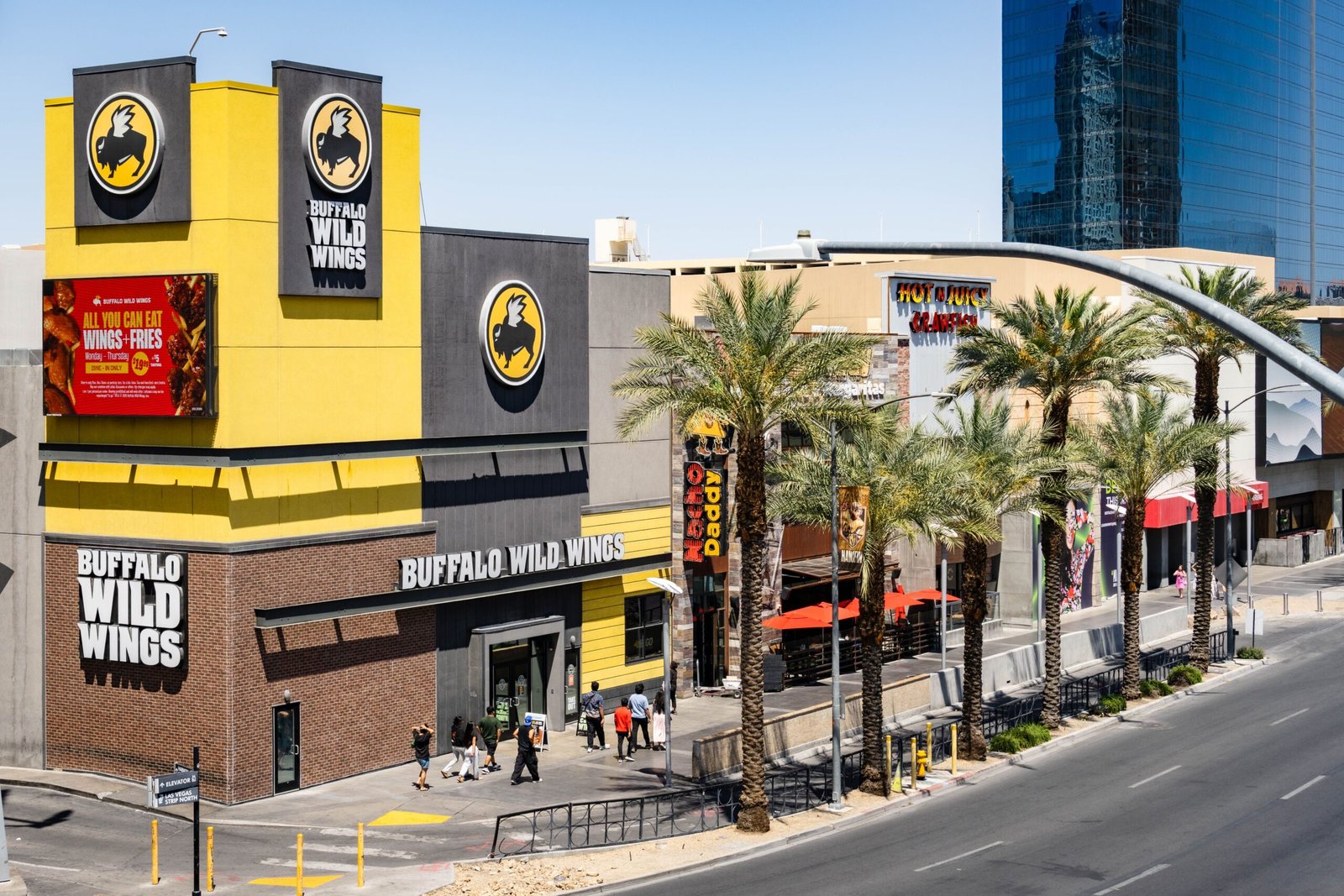
When hunger strikes, searching for food open near me is one of the quickest ways to discover nearby restaurants, fast-food outlets, cafés, and takeaway services. Whether you need breakfast early in the morning, a quick lunch during work, a family dinner, or a late-night snack, finding a restaurant that is open at the right time can make your decision much easier. In 2026, online maps, restaurant directories, customer reviews, and food delivery platforms offer convenient ways to explore dining options without spending too much time searching. However, choosing the right place involves more than finding the first result. Opening hours, menu choices, food quality, distance, budget, and delivery availability all matter when deciding where to eat.
1. What Does Food Open Near Me Mean?
The search term food open near me refers to finding places serving food close to your current location, particularly restaurants that are open at the time of your search. Results may include local eateries, fast-food chains, bakeries, coffee shops, family restaurants, food stalls, and businesses offering takeaway or delivery.
Search results can change depending on your location, time of day, and search preferences. For example, someone looking for breakfast may prefer a café or traditional breakfast restaurant, while someone searching late at night might want a burger shop, pizza restaurant, or establishment serving meals after midnight. Adding a specific preference, such as “Chinese food open near me” or “cheap food open near me,” can help narrow the options.
The main advantage of a local food search is convenience. Instead of visiting several websites individually, you can compare nearby businesses, read customer feedback, check directions, and look for menu information in one place. Nevertheless, online listings are not always perfectly updated, so confirming important details before travelling remains a sensible step.
2. How to Find Restaurants Open Near Me Right Now
Google Maps is a useful starting point for finding restaurants nearby. Open the application or visit its website, search for “food open near me” or “restaurants near me,” and review the results displayed around your location. Where available, use the opening-hours filters to focus on businesses listed as open.
You can also use Google Search by entering a phrase such as “restaurants open now near me.” If you want a particular meal, make the search more specific by adding terms such as breakfast, pizza, burgers, barbecue, or vegetarian food. If you are searching for another area rather than your present location, include the city or neighborhood in your query.
After identifying possible restaurants, open their individual profiles and review the address, listed hours, menu, photographs, phone number, and directions. Recent customer reviews can provide additional context about service and dining experiences, although reviews represent individual opinions rather than guaranteed results.
3. Popular Types of Food Available Near You
The best option depends on what you want to eat, how much time you have, and your budget. Understanding the main restaurant categories makes it easier to select a suitable place.
Fast food is convenient when you want burgers, fried chicken, sandwiches, fries, or wraps. Many fast-food restaurants provide takeaway and delivery, while some locations remain open late. Check the hours of the specific branch because different locations may operate on different schedules.
Pizza restaurants are useful for families, friends, and group meals. You can often compare different sizes, toppings, sides, and combination deals. Before ordering, check delivery charges, estimated preparation times, and whether the advertised offer applies to your chosen branch.
Traditional restaurants are a good choice when you want a complete meal rather than a quick snack. Depending on your area, these establishments may offer rice dishes, grilled meats, curries, barbecue, seafood, or regional specialties.
Cafés and bakeries can be suitable for coffee, tea, sandwiches, pastries, desserts, and light meals. Their opening times may be more limited than those of late-night restaurants, so check the schedule before visiting.
Finally, vegetarian, vegan, and health-conscious restaurants can help people find meals that match their dietary preferences. If you have an allergy or strict dietary requirement, contact the restaurant directly to confirm ingredients and food preparation practices rather than relying exclusively on online menu descriptions.
4. How to Choose Affordable and Good-Quality Food
Finding food open near me does not necessarily mean choosing the nearest or most highly rated restaurant. A better decision considers several factors together, including price, food quality, portion size, distance, and service.
Start by comparing menu prices before placing an order. A meal deal may offer better value than purchasing every item separately, but check whether drinks, sauces, delivery charges, and taxes are included. If you are ordering for several people, compare family meals or sharing platters with individual orders.
Next, read a selection of recent reviews. Look for repeated comments about freshness, portion sizes, cleanliness, order accuracy, and customer service. A single negative review does not necessarily represent the entire business, just as a high rating alone cannot guarantee that every meal will meet your expectations.
Consider the distance as well. A restaurant a little farther away may offer a better menu or more convenient delivery, but travelling across town for a simple meal may not be worthwhile. For takeaway, check parking or collection arrangements. For delivery, verify the service area and estimated arrival time.
The best nearby food option is the one that balances availability, value, convenience, and your personal preferences.
5. Food Open Near Me at Night and During Busy Hours
Late-night food searches are especially useful for shift workers, students, travellers, and anyone who wants a meal outside conventional dining hours. Some restaurants serve customers into the early morning, while others close their kitchens before the business itself officially shuts.
When searching for late-night food, use specific terms such as “24-hour restaurants near me,” “late-night pizza near me,” or “food delivery open now.” Check whether the listed hours apply to dine-in, takeaway, and delivery separately. These services may not share the same closing time.
Busy periods can also affect availability. Restaurants may have longer waiting times during lunch, dinner, weekends, or public holidays. Before setting off, call the restaurant if you need to confirm that a particular dish is available or that the kitchen is still taking orders.
If you are travelling, choose a location that is easy to reach and check directions before leaving. For delivery, keep your address and contact details accurate so the driver can find the correct destination. A few minutes spent confirming the details can prevent an unnecessary journey or delayed meal.
6. Dine-In, Takeaway, or Food Delivery: Which Is Better?
Each ordering method has advantages. Dine-in is appropriate when you want a relaxed meal, comfortable seating, or time with family and friends. It also lets you experience the restaurant’s atmosphere and service directly.
Takeaway is a practical option when you want to collect food yourself. It may help you avoid delivery charges, and you can often choose a collection time that suits your schedule. Confirm the preparation time before leaving, especially during busy periods.
Food delivery is convenient when you are at home, at work, or unable to travel. Restaurant websites and delivery platforms may display menus, prices, promotions, and estimated delivery times. However, service availability depends on your address, the restaurant, and the delivery provider.
Whichever option you choose, review the final price before confirming an order. Check the restaurant name, selected dishes, quantities, delivery address, and any special instructions. If food arrives with a serious quality or safety concern, contact the restaurant or ordering platform promptly.
7. Final Thoughts on Finding Food Open Near Me
Searching for food open near me is a simple way to discover convenient meals, from quick burgers and pizza to traditional dishes, café snacks, and family dining. In 2026, online maps and restaurant directories make it easier to compare locations, menus, customer reviews, and listed opening hours.
For the best experience, narrow your search by cuisine, budget, distance, and meal type. Check recent reviews, verify the restaurant’s hours, and call ahead when timing or menu availability is important. If you prefer delivery, confirm that the restaurant serves your area and review all charges before ordering.
Ultimately, finding great food nearby is about making an informed choice. By combining location-based searches with careful comparisons, you can find a convenient meal that fits your appetite, schedule, and budget.
Frequently Asked Questions
1. How do I find food open near me right now?
Search “food open near me” in Google Maps or Google Search. Check the displayed hours and contact the restaurant if you need confirmation.
2. How can I find cheap food near me?
Compare menus, meal deals, portion sizes, and delivery charges. Local eateries and takeaway shops may provide affordable alternatives to larger restaurants.
3. How do I find food open late at night?
Try searches such as “late-night food near me” or “24-hour restaurants near me.” Confirm that the kitchen is still serving and that takeaway or delivery is available.
4. Can I find food near me for delivery?
Yes. Search for nearby restaurants offering delivery or use a delivery platform available in your area. Check the delivery radius, estimated time, and final cost.
5. Are restaurants marked open now always open?
No. Online listings can be outdated, and kitchen hours may differ from business hours. Calling ahead is the safest approach when availability matters.
6. What should I check before choosing a nearby restaurant?
Review its menu, prices, location, opening hours, recent customer feedback, dietary options, and available ordering methods before making a decision.

The Victoria and Albert Museum, widely known as the V&A Museum, is one of London’s most remarkable cultural destinations and a leading institution for art, design, fashion, and decorative arts. Located in South Kensington, the museum brings together centuries of human creativity through an extraordinary collection of objects from different countries, cultures, and historical periods. From elegant jewellery and historic clothing to sculptures, ceramics, furniture, photography, and architectural masterpieces, the V&A offers visitors an opportunity to explore how creativity has shaped everyday life and global culture.
Whether we are planning a London sightseeing trip, researching art history, looking for family-friendly attractions, or searching for inspiring exhibitions, the Victoria and Albert Museum provides a rewarding experience. Its permanent collections offer free general admission, making it an attractive destination for travelers and local residents alike. With extensive galleries, changing exhibitions, educational activities, and impressive architecture, the museum deserves a place on any cultural itinerary for 2026.
1. What Is the Victoria and Albert Museum?
The Victoria and Albert Museum is a major museum dedicated to art, design, and performance. It is part of the wider V&A family of museums and collections, with its flagship location in South Kensington, London. The institution preserves and presents objects that demonstrate the development of artistic techniques, design traditions, craftsmanship, and visual culture across different societies.
The museum’s collections span thousands of years and include objects from Europe, Asia, Africa, and other parts of the world. Visitors can discover how materials such as wood, glass, metal, textiles, stone, and ceramics have been transformed into practical objects and extraordinary works of art. Its broad scope makes the V&A different from museums that focus exclusively on paintings, natural history, or a single historical period.
What makes the Victoria and Albert Museum particularly interesting is its connection between historical craftsmanship and contemporary creativity. A historic garment can reveal changing social attitudes, while a piece of furniture can demonstrate how technology and lifestyle influenced design. Similarly, jewellery, decorative objects, and architectural details provide insight into the values and ambitions of the people who created and used them.
For students, designers, artists, historians, and curious travelers, the V&A is more than a traditional museum. It is a place to examine how creative ideas move between cultures and generations.
2. Top Things to See at the Victoria and Albert Museum
The V&A is famous for its diverse galleries, impressive displays, and objects that illustrate the evolution of design. Because the museum is extensive, we should select a few priority areas before arriving and leave time to explore unexpected discoveries.
Some of the most rewarding highlights include:
The Cast Courts: Explore large-scale plaster casts of famous sculptures and architectural monuments, including a cast of Michelangelo’s David and a reproduction of Trajan’s Column. These displays make it possible to appreciate the scale and details of celebrated works.
The Jewellery Gallery: Discover jewellery from different historical periods and learn how precious materials, craftsmanship, fashion, and personal identity have influenced adornment.
The Fashion Galleries: Examine clothing and changing styles, from historic garments to influential modern designs. Fashion displays help explain how clothing reflects culture, status, technology, and individual expression.
The Photography Centre: Explore photographic works and discover how photography has developed as both an artistic medium and a way of documenting the world.
The Raphael Cartoons: See monumental designs created by Raphael for tapestries intended for the Sistine Chapel, offering an opportunity to appreciate Renaissance artistic ambition.
Decorative arts and sculpture: Discover ceramics, glassware, furniture, metalwork, and sculptures that demonstrate the relationship between practical objects and artistic achievement.
These highlights provide an excellent starting point, but the museum’s appeal lies in the variety of its collections. We can move from historic sculpture to contemporary design, examining how artistic ideas change over time. Gallery availability may vary, so checking the museum’s official website before visiting is worthwhile.
3. Victoria and Albert Museum History and Architecture
The museum’s history is closely connected to Britain’s efforts to promote art, manufacturing, and design during the nineteenth century. It developed from the cultural and educational ambitions associated with the Great Exhibition of 1851, which demonstrated innovations in industry, craftsmanship, and international trade. The institution eventually became known as the Victoria and Albert Museum, named after Queen Victoria and Prince Albert.
Its original educational mission remains important today. By collecting and displaying objects of exceptional quality, the museum helps visitors understand how design influences buildings, clothing, household products, public spaces, and artistic expression. Its collections also support researchers, designers, and students who study historical techniques and creative traditions.
The building itself is another attraction. Its architectural details, decorative surfaces, spacious galleries, and carefully designed exhibition areas create a setting that complements the objects on display. Exploring the museum can feel like discovering several different worlds under one roof, with each gallery presenting a distinct combination of materials, styles, and historical influences.
The V&A’s ongoing development also reflects the changing role of museums. Alongside preserving historic objects, it presents contemporary work, investigates design questions, and encourages visitors to consider how creativity responds to social and technological change. This balance between heritage and innovation is one of the institution’s defining characteristics.
4. Victoria and Albert Museum Tickets, Opening Hours, and Location
Planning a visit is straightforward, but we should confirm the latest practical information before traveling. The following details apply to the main V&A South Kensington location in London, rather than every museum within the wider V&A family.
| Visitor information | Details |
|---|---|
| Official name | Victoria and Albert Museum (V&A South Kensington) |
| Address | Cromwell Road, London, SW7 2RL |
| General admission | Free |
| Regular opening hours | Daily, 10:00 a.m.–5:45 p.m. |
| Friday opening | 10:00 a.m.–10:00 p.m. |
| Advance booking | Not required for general admission |
| Christmas closure | December 24–26 |
These details are published by the museum, but individual exhibitions and events may charge admission. Some galleries may also close temporarily for maintenance, installation, or redevelopment. The museum begins clearing galleries 30 minutes before closing.
For the most reliable updates, consult the official V&A visitor information page. It provides details about opening hours, transport, accessibility, facilities, and gallery closures.
The museum is approximately a five-minute walk from South Kensington Underground station, which is served by the District, Circle, and Piccadilly lines. Gloucester Road station is another option, around a ten-minute walk away. Several bus routes also serve the surrounding area. Visitors should check Transport for London’s travel updates because planned Piccadilly line upgrades during 2026 and 2027 may affect journeys.
5. Special Exhibitions, Events, and Family Activities in 2026
One reason to revisit the Victoria and Albert Museum is its changing program of exhibitions, displays, talks, and creative activities. While the permanent collections provide a broad introduction to art and design, temporary exhibitions allow the museum to examine particular artists, cultural movements, historical subjects, and contemporary creative practices in greater depth.
The museum’s official 2026 program includes Schiaparelli: Fashion Becomes Art, an exhibition exploring the relationship between fashion and artistic expression, and Rising Voices: Contemporary Art from Asia, Australia and the Pacific, which presents creative perspectives from these regions. Exhibition dates, ticket prices, and availability should be confirmed on the official What’s On page.
Families can also find opportunities to make a museum visit more engaging. Depending on the schedule, activities may include workshops, learning sessions, guided tours, and creative experiences designed for different ages. Children can explore materials, patterns, colours, and objects while developing their curiosity about the world around them.
For adults, students, and creative professionals, exhibitions and talks can provide inspiration for projects involving fashion, photography, interior design, illustration, architecture, and product development. We should check whether an activity requires advance booking, as popular exhibitions and special events may have limited capacity or separate admission charges.
6. Practical Tips for Visiting the V&A Museum
A little preparation helps us make the most of a visit to the Victoria and Albert Museum in London. The museum has extensive galleries, so attempting to explore every collection in a single afternoon can be tiring. Instead, we should identify two or three priority areas and allow time for spontaneous discoveries.
These practical tips can improve the experience:
Arrive early: An earlier start provides more time to explore the galleries at a comfortable pace.
Use the museum map: A digital map or gallery guide helps us navigate the building and locate specific collections.
Wear comfortable shoes: Exploring multiple galleries involves considerable walking.
Check temporary closures: Verify whether the galleries you want to visit are open on your chosen date.
Plan exhibition bookings: Reserve tickets for paid exhibitions in advance when necessary.
Explore accessibility options: The museum provides step-free entrances and wheelchair-accessible routes. Visitors who need mobility aids can review the official accessibility guidance before arriving.
Take breaks: The museum has visitor facilities, shops, and places to rest. Its courtyard garden can also offer a pleasant pause when open.
Allow enough time: Two to three hours is a useful starting point, while visitors interested in several collections may prefer to spend longer.
We should also remember that free general admission does not mean every exhibition is free. Checking ticket conditions before traveling helps avoid unexpected costs. Visitors carrying luggage should review the museum’s restrictions and cloakroom arrangements, particularly if arriving directly from an airport or railway station.
Conclusion: Why Visit the Victoria and Albert Museum in 2026?
The Victoria and Albert Museum is an outstanding destination for anyone interested in art, fashion, design, history, and human creativity. Its diverse collections connect historic craftsmanship with contemporary ideas, allowing visitors to explore how objects, materials, and artistic traditions reflect different cultures and periods.
From the Cast Courts and Jewellery Gallery to fashion exhibitions, photography, sculpture, and decorative arts, the V&A offers something for a wide range of interests. Free general admission makes its permanent collections accessible to many visitors, while changing exhibitions and educational activities provide additional reasons to explore.
For a rewarding visit in 2026, we should plan our priority galleries, check current opening hours, review exhibition ticket requirements, and choose convenient transportation. Whether we are first-time tourists, students, designers, or returning visitors, the V&A offers an inspiring opportunity to discover the stories behind some of the world’s most fascinating creative works.

437 Area Code: Location, Time Zone, Phone Numbers, and Complete Guide for 2026

FAEC: Meaning, Uses, Benefits, and Everything to Know in 2026

Food Open Near Me: Find Restaurants Open Now in 2026

Elisa Gayle Ritter: Biography, Career, Family, Personal Life, and Everything You Need to Know

AOPG Wiki (2026): Complete Guide to A One Piece Game Wiki, Features, Islands, Fruits, Codes, and Progression

Anne Steves: The Untold Story of Rick Steves’ Former Wife, Family, and Private Life
 News4 months ago
Elisa Gayle Ritter: Biography, Career, Family, Personal Life, and Everything You Need to Know
- Game3 months ago
AOPG Wiki (2026): Complete Guide to A One Piece Game Wiki, Features, Islands, Fruits, Codes, and Progression
- News4 months ago
Anne Steves: The Untold Story of Rick Steves’ Former Wife, Family, and Private Life
- celebrity4 months ago
Roman Walker Zelman: Everything You Need to Know
- celebrity3 months ago
Xavier Smalls Wikipedia: Biography, Age, Career, Family, Education, and Latest Updates (2026)
- Blog3 months ago
5 Letter Word Ending in Y: Complete List, Meanings, Examples, and Word Game Tips (2026 Guide)
- Blog3 months ago
Almawadahit.com Blog: A Complete 2026 Guide to Its Content, Features, and Reader Benefits
- celebrity3 months ago
Lacey M: Online Identity, Social Media Presence, Content Trends, and Digital Influence in 2026