Animal
DC Zoological Park: Complete Visitor Guide for 2026

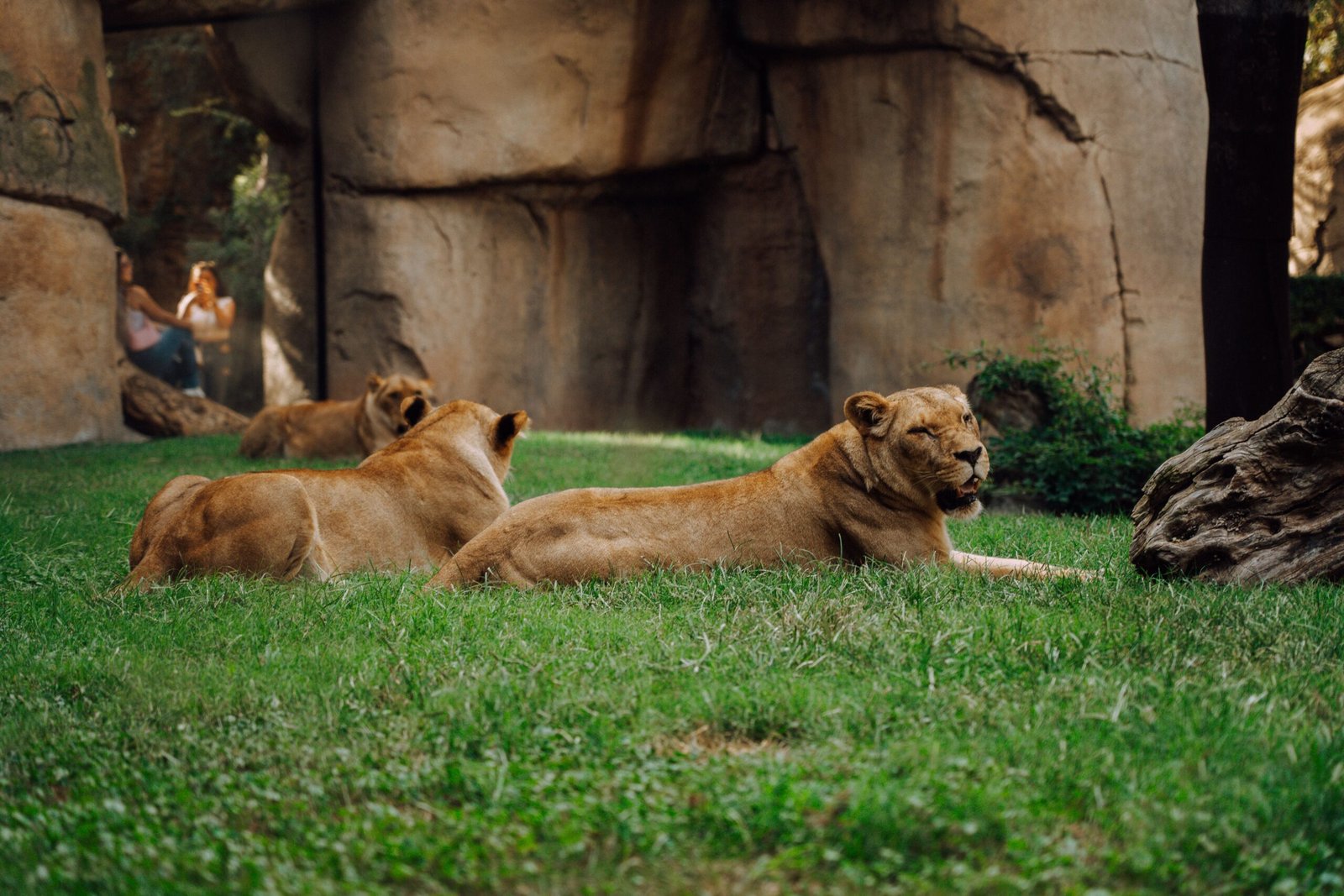
Visiting a zoological park can be an exciting way to explore wildlife, learn about animal conservation, and enjoy a memorable day outdoors. For families, students, wildlife enthusiasts, and travelers, a zoo offers opportunities to observe animals, discover different habitats, and understand the importance of protecting biodiversity. The search term DC Zoological Park may refer to a zoological attraction associated with the initials DC, but visitors should confirm the exact location before planning a trip because the name alone does not uniquely identify a specific zoo.
Whether we are researching a destination for a family outing, preparing for an educational visit, or looking for information about animal exhibits, understanding what a zoological park offers helps us plan a rewarding experience. In this guide, we explore the main attractions to look for, visitor planning tips, wildlife education, conservation, and the practical details worth checking before visiting a zoo in 2026.
1. What Is DC Zoological Park?
The name DC Zoological Park can lead visitors to search for information about a zoo, its animal collection, opening hours, ticket prices, and available activities. Before relying on any particular details, we should establish which facility the name identifies. For example, Washington, DC, is home to the Smithsonian’s National Zoo, a well-known zoological institution in the United States. However, the phrase DC Zoological Park should not automatically be treated as its official name, and visitors should verify the intended destination.
A zoological park generally provides a managed environment where animals can be cared for, observed, and studied. Depending on the institution, visitors may see mammals, birds, reptiles, amphibians, fish, and other species in habitats designed to support their physical and behavioral needs. Modern zoos may also offer educational displays, conservation programs, guided tours, and activities that explain how wildlife interacts with the natural environment.
When researching a particular park, we should look for its official name, physical address, website, and contact information. These details help us distinguish between similarly named attractions and find reliable information about current facilities. Checking official sources is especially important in 2026, when opening schedules, exhibits, admission policies, and visitor services may change.
2. Top Animals and Wildlife Exhibits to Explore
One of the biggest attractions of a zoological park is the opportunity to observe animals from different parts of the world. Depending on the facility, visitors may encounter large mammals, colorful birds, reptiles, and smaller species that are rarely seen outside their natural habitats. These encounters make a zoo visit engaging for children and adults while providing insight into the remarkable diversity of wildlife.
If we are referring to the Smithsonian’s National Zoo in Washington, DC, the official exhibits include Great Cats, Elephant Trails, Amazonia, Asia Trail, the Bird House, Primates, and the Reptile Discovery Center. The collection includes animals such as Asian elephants, Sumatran tigers, sea lions, orangutans, red pandas, and numerous reptiles and amphibians. Exhibit availability can change because of maintenance, animal-care needs, or construction, so we should check the official National Zoo exhibits page before visiting.
We can make the experience more interesting by observing how animals move, feed, communicate, and interact with their surroundings. Rather than rushing from one enclosure to another, we should take time to read the information boards and understand the characteristics of each species. These details help turn a casual sightseeing trip into a meaningful wildlife experience.
3. Best Things to Do at DC Zoological Park
A successful zoo visit involves more than simply looking at animals. The best activities combine exploration, education, photography, and relaxation. Before arriving, we can identify the exhibits that interest us most and create a flexible itinerary that leaves enough time for unexpected discoveries.
Explore animal habitats: Visit the available exhibits and learn about the environments in which different species live.
Attend animal demonstrations: Where offered, keeper talks and scheduled demonstrations can explain feeding routines, animal behavior, and conservation work.
Read educational displays: Information panels often explain endangered species, food chains, migration, and the effects of habitat destruction.
Take wildlife photographs: Use a camera or smartphone to capture animals from designated viewing areas while respecting barriers and zoo rules.
Enjoy family activities: Some zoos provide playgrounds, children’s learning areas, interactive displays, or family-oriented events.
Visit food and relaxation areas: Plan breaks for drinking water, meals, and rest, especially when exploring a large outdoor park.
Explore special events: Seasonal festivals, themed educational programs, and evening events may offer a different experience from a standard daytime visit.
For visitors heading to the Smithsonian’s National Zoo, official visitor information includes animal demonstrations, attractions, food options, accessibility services, and event listings. We should review the schedule on the official visitor information page to identify activities available on our chosen date.
4. Wildlife Conservation and Educational Benefits
A modern zoological park can play an important role in wildlife conservation, scientific research, and public education. Many animal species face growing challenges caused by habitat destruction, pollution, illegal wildlife trade, climate change, and declining food supplies. By explaining these threats, zoos help visitors understand why protecting natural ecosystems is essential for the survival of wildlife.
Wildlife conservation involves protecting species and the habitats on which they depend. Some zoological institutions participate in managed breeding programs, veterinary research, population monitoring, and partnerships with conservation organizations. These activities vary by institution and species, so visitors should consult the relevant zoo’s official conservation information to understand its specific contributions.
Educational experiences are particularly valuable for schoolchildren. Seeing an animal in person can encourage questions about its diet, behavior, anatomy, and natural environment. Teachers and parents can strengthen this learning by discussing the differences between wild and managed environments, the importance of biodiversity, and practical ways to reduce environmental damage.
The Smithsonian’s National Zoo and Conservation Biology Institute combines public exhibits with scientific research and conservation programs. Its work includes efforts to protect species and train future conservation scientists. Visitors interested in this side of the institution can explore its official website for research updates and conservation stories.
5. DC Zoological Park Tickets, Opening Hours, and Visitor Planning
Before planning a trip to DC Zoological Park, we should verify the destination and check the latest admission requirements, opening hours, parking arrangements, and transportation options. These details are essential because a similar name does not guarantee that two attractions share the same location, prices, or facilities.
For travelers visiting the Smithsonian’s National Zoo in Washington, DC, the official website provides the following general information for 2026:
| Visitor detail | Smithsonian’s National Zoo |
|---|---|
| Address | 3001 Connecticut Avenue NW, Washington, DC |
| Admission | Free |
| Entry passes | Required for all visitors |
| Winter grounds hours | 8 a.m.–4 p.m., September 15–March 14 |
| Summer grounds hours | 8 a.m.–6 p.m., March 15–September 14 |
| Last entry | One hour before closing |
| Regular closure | December 25 |
We should reserve required entry passes in advance, even when admission is free. Visitors who plan to drive should also review parking fees and availability, since parking may require a separate paid pass. Public transportation can be a convenient alternative, particularly during busy periods.
For a comfortable visit, wear supportive walking shoes, carry water, check the weather forecast, and bring suitable clothing. Families visiting with young children may benefit from a stroller, regular rest breaks, and a list of priority exhibits. If accessibility is important, check the facility’s current information about wheelchair access, rentals, accessible routes, and visitor services before departure.
6. Tips for Families, Students, and First-Time Visitors
A little preparation can make a zoological park visit more enjoyable. Families should agree on a meeting point, keep children close in crowded areas, and explain why animals must not be fed or disturbed. Following posted instructions protects visitors and helps maintain safe conditions for the animals.
Photography should always respect the rules of the facility. Flash photography, loud noises, tapping on glass, or attempts to attract an animal’s attention can cause unnecessary disturbance. We should observe animals patiently and remember that resting, hiding, or remaining out of view are normal behaviors.
Students can improve the educational value of the trip by keeping a wildlife notebook. They might record each animal’s habitat, diet, physical adaptations, and conservation status. Comparing species from different continents also encourages a better understanding of ecosystems and biodiversity.
First-time visitors should avoid trying to see everything in a single rushed trip. Instead, we can choose a few priority exhibits, allow time for lunch and breaks, and explore additional areas if time permits. This approach is particularly useful at large zoological parks with extensive walking routes.
7. Is DC Zoological Park Worth Visiting in 2026?
A zoological park can be an excellent destination for families, students, tourists, and anyone interested in wildlife. Its appeal lies in combining recreation with education, giving visitors opportunities to discover different species while learning about environmental responsibility and conservation.
The value of a visit depends on the destination, available exhibits, visitor facilities, and individual interests. Animal enthusiasts may prioritize large mammals and rare species, while families might prefer interactive learning areas and accessible walking routes. Students may find educational displays and conservation programs especially rewarding.
However, we should confirm which attraction is meant by DC Zoological Park before making reservations or traveling. If the intended destination is the Smithsonian’s National Zoo in Washington, DC, its extensive animal exhibits, free admission, and conservation focus make it a notable option. Visitors should still check the latest official information because operating hours, access requirements, and exhibit availability can change.
Conclusion: Plan Your DC Zoological Park Visit
DC Zoological Park is a useful search term for people looking to discover zoo attractions, animal exhibits, family activities, and wildlife education. The first step toward a successful visit is confirming the exact destination, followed by checking official opening hours, admission requirements, transportation, and available attractions.
By planning ahead, exploring animal habitats responsibly, and learning about conservation, we can make a zoo visit both enjoyable and educational. Whether the goal is a family day out, a school excursion, or a deeper appreciation of wildlife, a well-planned zoological park experience can create lasting memories while encouraging respect for the natural world.


437 Area Code: Location, Time Zone, Phone Numbers, and Complete Guide for 2026

FAEC: Meaning, Uses, Benefits, and Everything to Know in 2026

Food Open Near Me: Find Restaurants Open Now in 2026

Elisa Gayle Ritter: Biography, Career, Family, Personal Life, and Everything You Need to Know

AOPG Wiki (2026): Complete Guide to A One Piece Game Wiki, Features, Islands, Fruits, Codes, and Progression

Anne Steves: The Untold Story of Rick Steves’ Former Wife, Family, and Private Life
 News4 months ago
Elisa Gayle Ritter: Biography, Career, Family, Personal Life, and Everything You Need to Know
- Game3 months ago
AOPG Wiki (2026): Complete Guide to A One Piece Game Wiki, Features, Islands, Fruits, Codes, and Progression
- News4 months ago
Anne Steves: The Untold Story of Rick Steves’ Former Wife, Family, and Private Life
- celebrity4 months ago
Roman Walker Zelman: Everything You Need to Know
- celebrity3 months ago
Xavier Smalls Wikipedia: Biography, Age, Career, Family, Education, and Latest Updates (2026)
- Blog3 months ago
5 Letter Word Ending in Y: Complete List, Meanings, Examples, and Word Game Tips (2026 Guide)
- Blog3 months ago
Almawadahit.com Blog: A Complete 2026 Guide to Its Content, Features, and Reader Benefits
- Blog3 months ago
www Shopnaclo.com: A Complete 2026 Guide to the Online Shopping Platform