
Blog
Bluee: Complete Guide to What Bluee Is, How It Works, Features and Benefits in 2026



The 2025 Chevy Traverse is a three-row midsize SUV designed for families who need extra passenger space, practical storage, and modern technology. With a bold exterior, a powerful turbocharged engine, and a spacious cabin, this Chevrolet SUV is built for everyday driving and long-distance road trips. It competes with popular family vehicles such as the Honda Pilot, Kia Telluride, and Toyota Grand Highlander.
Whether you are comparing SUV prices, researching fuel economy, or looking for a comfortable vehicle for your family, the 2025 Chevrolet Traverse offers several features worth considering. This guide covers its engine specifications, available trims, interior space, safety technology, towing capacity, advantages, and potential drawbacks to help you make an informed buying decision.
What Is New in the 2025 Chevy Traverse?
The 2025 Chevy Traverse continues the redesigned third-generation model introduced for 2024. Its updated design emphasizes a more rugged appearance, improved cabin technology, and a modern turbocharged powertrain. For 2025, Chevrolet also adds the upscale High Country trim to the lineup, giving buyers another option for premium features and comfort.
Other changes include new appearance options and a standard trailering package on the LT trim. The lineup offers different combinations of styling, equipment, and capability, allowing buyers to choose a version that suits their needs. Overall, the 2025 model focuses on practicality, interior space, and technology rather than introducing an entirely new vehicle design.
2025 Chevy Traverse Specifications
The 2025 Chevy Traverse uses a turbocharged four-cylinder engine paired with an eight-speed automatic transmission. Front-wheel drive is available on several trims, while all-wheel drive provides additional traction in suitable driving conditions. Its powertrain is designed to deliver useful acceleration for daily commuting, highway driving, and family travel.
Here is a quick overview of the main specifications.
| Feature | 2025 Chevy Traverse |
|---|---|
| Engine | 2.5-liter turbocharged 4-cylinder |
| Horsepower | 328 hp |
| Torque | 326 lb-ft |
| Transmission | 8-speed automatic |
| Drivetrain | FWD or AWD, depending on trim |
| Seating capacity | Up to 8 passengers |
| Maximum towing capacity | Up to 5,000 pounds |
| Maximum cargo volume | 97.6 cubic feet |
| Standard infotainment screen | 17.7 inches |
| Digital driver display | 11 inches |
Specifications can vary by configuration and equipment. Buyers should check the vehicle’s original window sticker or official Chevrolet documentation to confirm the exact features of a particular SUV.
2025 Chevy Traverse Trim Levels
The 2025 Chevrolet Traverse is offered in four main trim levels: LT, Z71, RS, and High Country. Each version has a different focus, ranging from everyday family practicality to rugged styling and premium comfort. Choosing the right trim depends on your budget, driving conditions, and preferred features.
1. Chevy Traverse LT
The LT is a practical choice for families who want a spacious three-row SUV without paying for every premium upgrade. It offers a large infotainment display, modern driver-assistance technology, and useful convenience features. Depending on the seating configuration, buyers can choose a second-row bench for up to eight passengers or captain’s chairs for a seven-passenger layout.
For many shoppers, the LT is worth considering because it prioritizes everyday usability. It is suitable for school runs, shopping trips, commuting, and family vacations. Buyers should compare the equipment included in each LT package before deciding whether additional options are worth the cost.
2. Chevy Traverse Z71
The Z71 is designed for drivers who prefer a more adventure-oriented SUV. It features all-wheel drive, an off-road-focused suspension setup, all-terrain tires, and additional driving modes intended to improve capability on suitable rough surfaces. Its distinctive exterior styling also helps it stand out from the more road-focused trims.
Although the Z71 adds useful features for outdoor trips, it is not a replacement for a dedicated heavy-duty off-road vehicle. Its suitability depends on the terrain, tires, weather, and driving conditions. Families who regularly travel on gravel roads or visit outdoor destinations may find the Z71 more appealing than the standard LT.
3. Chevy Traverse RS
The RS emphasizes sporty styling and a more premium appearance. Its exterior details, larger wheels, and distinctive design elements give it a more aggressive look than the entry-level trim. It also offers a technology-focused cabin with features designed to make everyday driving more convenient.
The RS is a good option for buyers who want the practicality of a large family SUV without sacrificing visual appeal. However, larger wheels and additional equipment can affect the overall purchase price and replacement tire costs. Comparing its standard equipment with the LT and High Country can help determine whether the upgrade offers enough value.
4. Chevy Traverse High Country
The High Country is the premium-oriented trim in the 2025 Traverse lineup. It offers upscale cabin appointments, additional convenience features, and a more luxurious presentation. Depending on the configuration, equipment can include leather-appointed seating surfaces, heated and ventilated front seats, a premium Bose audio system, and advanced driver-assistance technology.
This trim is worth exploring if comfort, technology, and premium styling are priorities. However, its higher price may not be necessary for buyers who mainly need reliable family transportation and generous cargo space. Reviewing the complete equipment list is the best way to decide whether the extra features justify the additional expense.
2025 Chevy Traverse Price
The original MSRP of the 2025 Chevy Traverse varies by trim, drivetrain, and optional equipment. Higher-end versions such as the RS and High Country generally cost more than the LT, while additional packages can increase the final purchase price. Destination charges, dealer fees, taxes, and discounts may also affect what buyers ultimately pay.
Because the 2025 model is now an older model year, shoppers may be comparing remaining new inventory with used vehicles. Used prices depend on mileage, condition, accident history, location, and service records. Before purchasing, compare several listings with similar specifications rather than relying on one advertised price.
For current vehicle listings and official model information, visit Chevrolet’s official website or consult reputable vehicle marketplaces. Ask the seller for the vehicle identification number (VIN), maintenance history, and a complete breakdown of the purchase price before committing.
2025 Chevy Traverse MPG and Fuel Economy
Fuel economy is an important consideration when choosing a large family SUV. The front-wheel-drive 2025 Chevy Traverse has EPA estimates of approximately 20 mpg in the city, 27 mpg on the highway, and 23 mpg combined. All-wheel-drive models generally consume more fuel, with estimates varying by configuration.
Actual fuel economy depends on traffic, driving speed, passenger load, tire pressure, weather, and driving habits. Frequent short trips and heavy stop-and-go traffic can reduce mileage compared with steady highway driving. If fuel costs are a major concern, compare the Traverse with hybrid three-row SUVs before making a final decision.
2025 Chevy Traverse Interior and Comfort
The interior is one of the main attractions of the 2025 Chevy Traverse. Its three-row layout provides room for larger families, while the cabin offers storage areas and convenient features for daily use. The available second-row seating configurations make it possible to prioritize either passenger capacity or easier access to the third row.
The front seats provide a comfortable driving position, and the cabin’s layout is designed to make frequently used controls easy to access. Higher trims add more premium materials and comfort features, depending on the selected configuration. Buyers should sit in all three rows during a test drive to ensure the available space suits their family members.
Passenger and Cargo Space
The 2025 Traverse offers seating for up to eight passengers in selected configurations. Its third row is more accommodating than the cramped rear seating found in some smaller SUVs, making it useful for families who regularly carry several passengers. The exact seating capacity depends on whether the vehicle has a second-row bench or captain’s chairs.
Cargo capacity is another strong point, with approximately 22.9 cubic feet behind the third row and up to 97.6 cubic feet when the rear seating areas are folded. This flexibility makes the SUV useful for grocery shopping, sports equipment, luggage, and larger household items. For example, a family can keep the third row available for passengers on a school trip and fold it down when transporting bulky luggage.
Technology and Infotainment Features
One of the most noticeable interior features is the standard 17.7-inch infotainment touchscreen. It is paired with an 11-inch digital driver information display, giving the driver access to important vehicle information and entertainment functions. The modern interface helps the Traverse feel more contemporary than many older three-row SUVs.
Depending on the trim and equipment, features may include Google built-in services, smartphone connectivity, wireless charging, USB ports, and an available Wi-Fi hotspot. Some premium configurations also offer an upgraded audio system and additional convenience technology. Buyers should confirm which features are included on the specific vehicle rather than assuming that every trim has identical equipment.
2025 Chevy Traverse Safety Features
The 2025 Chevy Traverse includes a range of driver-assistance technologies designed to help drivers identify potential hazards and respond to changing traffic conditions. Depending on the trim and equipment, these systems include automatic emergency braking, forward collision alerts, lane-keeping assistance, blind-zone alerts, and rear cross-traffic braking.
Some versions also offer Super Cruise hands-free driver assistance for compatible roads and driving conditions. These technologies can provide additional support, but they do not make a vehicle self-driving and do not replace the need for attentive driving. Drivers should read the owner’s manual to understand system limitations and confirm which features are installed on their chosen trim.
2025 Chevy Traverse Towing Capacity
The 2025 Chevy Traverse can tow up to 5,000 pounds when properly equipped. This capability can be useful for families who need to tow a compatible small camper, utility trailer, or recreational equipment. The actual towing limit depends on the vehicle’s configuration, equipment, and the load being carried.
Before towing, check the owner’s manual for the maximum permitted trailer weight, tongue weight, and other operating requirements. Passengers, cargo, and accessories also affect the vehicle’s available capacity. If you regularly tow heavy loads, make sure the trailer and vehicle combination stays within all manufacturer limits.
Pros and Cons of the 2025 Chevy Traverse
Like any vehicle, the 2025 Traverse has strengths and compromises that buyers should consider before purchasing. Its biggest advantages are its roomy cabin, flexible cargo space, strong engine output, and large infotainment display. These features make it a practical option for families who need a versatile three-row SUV.
On the other hand, fuel economy is not a major selling point compared with some hybrid alternatives. The turbocharged engine can also sound coarse under hard acceleration, and some interior materials may feel less premium than those in certain competitors. A proper test drive is important because ride comfort, cabin noise, and ease of use can feel different to every driver.
Is the 2025 Chevy Traverse a Good Family SUV?
The 2025 Chevy Traverse can be a strong choice for families who need generous passenger room, flexible seating, and space for everyday belongings. Its three-row layout makes it suitable for school transportation, weekend outings, and longer road trips. The available trims also allow buyers to choose between practical equipment, adventure-oriented features, and premium comfort.
However, the best SUV depends on your family’s priorities and budget. If low fuel consumption is more important than maximum cargo space, a hybrid alternative may be worth comparing. If you frequently travel with seven or eight people, test all three rows and check how much luggage fits behind the third row before making your decision.
Buying Tips for a Used 2025 Chevy Traverse
When shopping for a used 2025 Chevy Traverse, begin by checking the vehicle’s mileage, maintenance history, accident records, and ownership documents. Request a VIN-based vehicle history report and arrange an independent pre-purchase inspection. These steps can help identify previous damage, maintenance concerns, or issues that may not be obvious during a short test drive.
During the inspection, test the infotainment screen, cameras, driver-assistance systems, climate controls, power liftgate, and all seating adjustments. Listen for unusual engine or transmission noises, and check for warning lights before and during the test drive. Also verify whether any open recalls apply to the specific vehicle and confirm that required repairs have been completed.
Frequently Asked Questions About the 2025 Chevy Traverse
How much horsepower does the 2025 Chevy Traverse have?
The 2025 Chevy Traverse produces 328 horsepower and 326 lb-ft of torque from its 2.5-liter turbocharged four-cylinder engine. An eight-speed automatic transmission is standard across the lineup.
How many people can the 2025 Chevy Traverse seat?
The Traverse can seat up to eight people when equipped with the second-row bench seat. Models with second-row captain’s chairs typically accommodate seven passengers.
What is the fuel economy of the 2025 Chevy Traverse?
Front-wheel-drive models are estimated at 20 mpg city, 27 mpg highway, and 23 mpg combined. All-wheel-drive fuel economy varies by configuration and is generally lower.
What is the maximum towing capacity?
The 2025 Chevy Traverse can tow up to 5,000 pounds when properly equipped. Always check the owner’s manual and the specific vehicle’s towing requirements before attaching a trailer.
Which 2025 Chevy Traverse trim is best?
The LT is worth considering for everyday family use, the Z71 suits buyers who want additional off-road-oriented features, and the RS emphasizes sporty styling. The High Country is aimed at shoppers who prefer a more premium cabin and additional convenience features.
Does the 2025 Chevy Traverse have all-wheel drive?
Yes, all-wheel drive is available on selected trims, while the Z71 comes with an all-wheel-drive system designed for its more rugged focus. Availability and equipment vary by trim.
Is the 2025 Chevy Traverse good for long road trips?
Its spacious three-row cabin, flexible cargo area, and modern infotainment system make it a practical choice for family road trips. Fuel costs, passenger comfort, luggage requirements, and the specific trim should all be considered before purchasing.
Conclusion
The 2025 Chevy Traverse is a spacious three-row SUV that focuses on family practicality, strong turbocharged performance, modern technology, and flexible cargo capacity. With LT, Z71, RS, and High Country trims, it offers options for buyers seeking everyday convenience, adventure-oriented equipment, sporty styling, or premium comfort.
Before making a purchase, compare prices, verify the vehicle’s specifications, review its maintenance history, and take it for a thorough test drive. The Traverse is particularly appealing to buyers who prioritize passenger space and versatility, while shoppers focused on maximum fuel economy should also consider hybrid competitors.

The 437 area code is associated with Toronto, Ontario, Canada, one of the country’s largest and most internationally recognized cities. If you receive a phone call from a number beginning with 437, you may be wondering where the call originates, whether the number belongs to a business or an individual, and how to determine whether it is legitimate.
Understanding the 437 area code can help us identify the general location associated with a phone number, recognize how Canadian telephone numbering works, and make informed decisions when answering unfamiliar calls. The code is part of the telephone numbering system serving Toronto and operates alongside other area codes assigned to the same geographic region.
In this guide, we explain the location of the 437 area code, its relationship with Toronto’s other area codes, the local time zone, dialing procedures, and practical ways to handle unfamiliar calls in 2026.
What Is the 437 Area Code?
The 437 area code is a Canadian telephone area code serving Toronto, Ontario. It is part of the North American Numbering Plan (NANP), the shared telephone numbering system used by Canada, the United States, and several other countries and territories.
Under this system, telephone numbers generally follow the format:
+1 (437) XXX-XXXX
Here is what each part means:
+1: The country calling code for Canada and the United States, as well as other NANP participants.
437: The three-digit area code associated with Toronto.
XXX-XXXX: The seven-digit local telephone number.
When a caller uses a 437 number, the area code indicates that the number belongs to the Toronto numbering region. However, it does not necessarily establish the caller’s current physical location. People can retain mobile numbers when moving, and internet-based calling services can allow calls to appear under numbers associated with different locations.
The 437 area code is used for ordinary telecommunications purposes, including personal mobile phones, business lines, and other telephone services. The exact subscriber or organization behind an individual number must be established separately.
Where Is the 437 Area Code Located?
The 437 area code serves Toronto, in the province of Ontario, Canada. Toronto is a major urban centre known for its financial district, diverse communities, universities, technology businesses, and international connections. The area code is not a separate region outside Toronto; it is part of a shared numbering area.
The 437 code was introduced on March 25, 2013, to provide additional telephone numbers for Toronto as demand for phone services increased. It was added as an overlay to the existing numbering region rather than replacing older numbers.
This means that two people living in the same part of Toronto can have different area codes. One person’s number might begin with 416, another’s with 647, and another’s with 437. The area code alone does not identify a specific Toronto neighbourhood or street.
Toronto also has the newer 942 area code, introduced on April 26, 2025, as another overlay for the same numbering region. Existing 437 numbers remain valid; the introduction of 942 does not mean that residents must replace their current telephone numbers.
437 Area Code Time Zone and Dialing Information
The 437 area code follows Eastern Time, the time zone used in Toronto. This is important when calling a person or business with a 437 number from another country or time zone.
Toronto observes two seasonal time settings:
Eastern Standard Time (EST): UTC−5 during the standard-time period.
Eastern Daylight Time (EDT): UTC−4 during daylight saving time.
Because the clocks change seasonally, we should check Toronto’s local time before making an international call. A call that is convenient during the afternoon in one country could arrive very early in the morning in Toronto.
For international callers, the usual dialing format is +1 437 XXX XXXX. Within Canada and other NANP locations, the standard ten-digit format is generally used for local calls in Toronto.
| Phone detail | Information |
|---|---|
| Area code | 437 |
| Country | Canada |
| Province | Ontario |
| Main city | Toronto |
| Time zone | Eastern Time |
| Country calling code | +1 |
| Local number format | 10 digits, including area code |
| Introduced | March 25, 2013 |
The Canadian Radio-television and Telecommunications Commission (CRTC) has documented Toronto’s overlapping 416, 437, and 647 numbering region and the introduction of additional numbering capacity.
Is a Call From the 437 Area Code Legitimate or a Scam?
A phone call from the 437 area code is not automatically a scam. It could come from a legitimate individual, company, service provider, or organization associated with Toronto. However, the displayed area code is not sufficient proof of the caller’s identity.
Fraudsters can use caller ID spoofing, a technique that changes the number displayed on the recipient’s phone. The CRTC explains that spoofed caller IDs may be used to make a call appear to come from a familiar person, local number, or legitimate organization.
We should pay attention to the caller’s behaviour rather than judging a call solely by its area code. Warning signs include:
Requests for passwords, verification codes, or banking information.
Unexpected messages claiming that a package cannot be delivered.
Threats involving arrest, account suspension, or immediate penalties.
Pressure to send money through gift cards, cryptocurrency, or unusual payment methods.
Text messages containing suspicious links or unexpected requests for personal information.
If a caller claims to represent a bank, government agency, delivery company, or telecommunications provider, we should end the conversation and contact that organization using the number published on its official website or on a trusted statement.
The CRTC also recommends reporting suspicious calls through appropriate Canadian reporting channels. Depending on the situation, these include the Canadian Anti-Fraud Centre, local law enforcement, and the National Do Not Call List for unwanted telemarketing calls.
How to Identify an Unknown 437 Phone Number
When an unfamiliar 437 number calls or sends a text message, we can take several practical steps to learn more about it without putting our personal information at risk.
1. Search the complete phone number. Enter the full number into a search engine to see whether it appears on a business website, public directory, or community reporting page. Remember that online reports can be incomplete or inaccurate, so one comment should not be treated as definitive proof of fraud.
2. Check the caller’s claimed identity. If the person claims to work for a company, look for the company’s official contact details and verify the call independently.
3. Review the message carefully. Unexpected links, spelling errors, urgent payment demands, and requests for confidential information deserve extra caution.
4. Avoid sharing personal details. Do not provide account passwords, banking information, or one-time security codes to an unverified caller.
5. Block unwanted numbers. If the caller repeatedly contacts you with unwanted or suspicious messages, use your phone’s blocking and spam-reporting features.
It is also important to understand that a phone number’s area code does not establish the caller’s current location. Someone may move away from Toronto and keep their existing number, while a caller elsewhere may use a service that displays a Toronto number. A 437 prefix identifies the numbering region, not the precise location or trustworthiness of the person contacting you.
Frequently Asked Questions About the 437 Area Code
What city uses the 437 area code?
The 437 area code serves Toronto, Ontario, Canada. It operates as an overlay with other area codes assigned to Toronto.
Is 437 a Canadian area code?
Yes. Canada is part of the North American Numbering Plan, and 437 is assigned to the Toronto numbering region in Ontario.
What other area codes are used in Toronto?
Toronto’s numbering region includes 416, 437, 647, and 942. These area codes serve the same general geographic region rather than separate neighbourhoods.
What time zone does the 437 area code use?
The area code follows Eastern Time. Toronto uses EST during standard time and EDT during daylight saving time.
Should I answer a call from a 437 number?
You can answer if you feel comfortable, but be cautious if the call is unexpected. Do not share confidential information until you have verified the caller’s identity.
Can a 437 number be used outside Toronto?
Yes. People can retain their telephone numbers when moving, and some internet-based services can use numbers associated with Toronto. Therefore, the area code does not guarantee that a caller is physically in the city.
Conclusion
The 437 area code belongs to Toronto, Ontario, Canada, and has been in use since March 2013. It provides additional telephone numbering capacity alongside Toronto’s 416 and 647 area codes, with 942 introduced in 2025 to expand that capacity further.
For anyone researching an unfamiliar phone number in 2026, the key facts are straightforward: 437 is Canadian, Toronto-based, and associated with Eastern Time. Nevertheless, an area code cannot confirm a caller’s exact location or identity.
By checking unknown numbers carefully, verifying organizations through official contact information, and recognizing common fraud warning signs, we can handle calls from the 437 area code more confidently and safely.
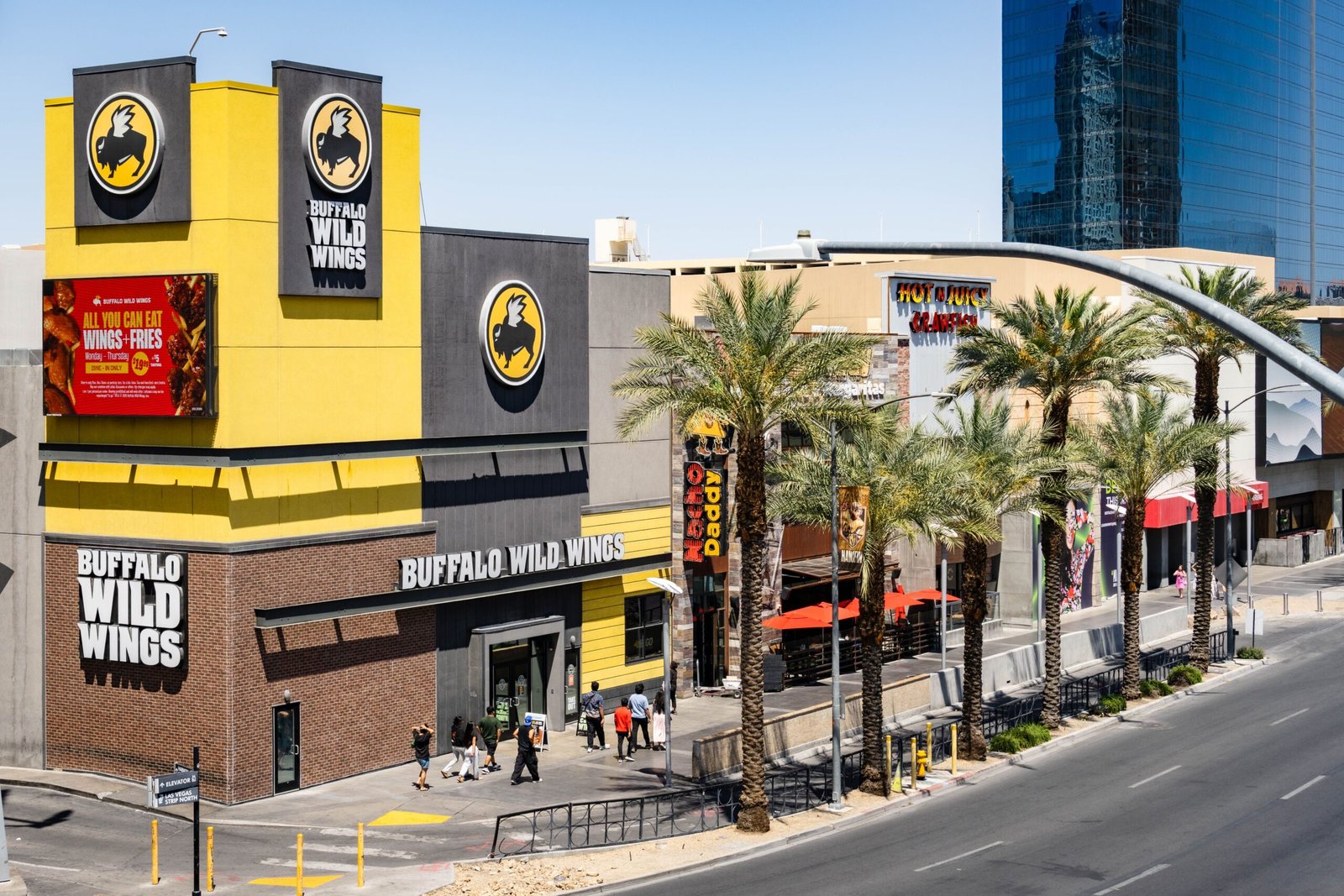
When hunger strikes, searching for food open near me is one of the quickest ways to discover nearby restaurants, fast-food outlets, cafés, and takeaway services. Whether you need breakfast early in the morning, a quick lunch during work, a family dinner, or a late-night snack, finding a restaurant that is open at the right time can make your decision much easier. In 2026, online maps, restaurant directories, customer reviews, and food delivery platforms offer convenient ways to explore dining options without spending too much time searching. However, choosing the right place involves more than finding the first result. Opening hours, menu choices, food quality, distance, budget, and delivery availability all matter when deciding where to eat.
1. What Does Food Open Near Me Mean?
The search term food open near me refers to finding places serving food close to your current location, particularly restaurants that are open at the time of your search. Results may include local eateries, fast-food chains, bakeries, coffee shops, family restaurants, food stalls, and businesses offering takeaway or delivery.
Search results can change depending on your location, time of day, and search preferences. For example, someone looking for breakfast may prefer a café or traditional breakfast restaurant, while someone searching late at night might want a burger shop, pizza restaurant, or establishment serving meals after midnight. Adding a specific preference, such as “Chinese food open near me” or “cheap food open near me,” can help narrow the options.
The main advantage of a local food search is convenience. Instead of visiting several websites individually, you can compare nearby businesses, read customer feedback, check directions, and look for menu information in one place. Nevertheless, online listings are not always perfectly updated, so confirming important details before travelling remains a sensible step.
2. How to Find Restaurants Open Near Me Right Now
Google Maps is a useful starting point for finding restaurants nearby. Open the application or visit its website, search for “food open near me” or “restaurants near me,” and review the results displayed around your location. Where available, use the opening-hours filters to focus on businesses listed as open.
You can also use Google Search by entering a phrase such as “restaurants open now near me.” If you want a particular meal, make the search more specific by adding terms such as breakfast, pizza, burgers, barbecue, or vegetarian food. If you are searching for another area rather than your present location, include the city or neighborhood in your query.
After identifying possible restaurants, open their individual profiles and review the address, listed hours, menu, photographs, phone number, and directions. Recent customer reviews can provide additional context about service and dining experiences, although reviews represent individual opinions rather than guaranteed results.
3. Popular Types of Food Available Near You
The best option depends on what you want to eat, how much time you have, and your budget. Understanding the main restaurant categories makes it easier to select a suitable place.
Fast food is convenient when you want burgers, fried chicken, sandwiches, fries, or wraps. Many fast-food restaurants provide takeaway and delivery, while some locations remain open late. Check the hours of the specific branch because different locations may operate on different schedules.
Pizza restaurants are useful for families, friends, and group meals. You can often compare different sizes, toppings, sides, and combination deals. Before ordering, check delivery charges, estimated preparation times, and whether the advertised offer applies to your chosen branch.
Traditional restaurants are a good choice when you want a complete meal rather than a quick snack. Depending on your area, these establishments may offer rice dishes, grilled meats, curries, barbecue, seafood, or regional specialties.
Cafés and bakeries can be suitable for coffee, tea, sandwiches, pastries, desserts, and light meals. Their opening times may be more limited than those of late-night restaurants, so check the schedule before visiting.
Finally, vegetarian, vegan, and health-conscious restaurants can help people find meals that match their dietary preferences. If you have an allergy or strict dietary requirement, contact the restaurant directly to confirm ingredients and food preparation practices rather than relying exclusively on online menu descriptions.
4. How to Choose Affordable and Good-Quality Food
Finding food open near me does not necessarily mean choosing the nearest or most highly rated restaurant. A better decision considers several factors together, including price, food quality, portion size, distance, and service.
Start by comparing menu prices before placing an order. A meal deal may offer better value than purchasing every item separately, but check whether drinks, sauces, delivery charges, and taxes are included. If you are ordering for several people, compare family meals or sharing platters with individual orders.
Next, read a selection of recent reviews. Look for repeated comments about freshness, portion sizes, cleanliness, order accuracy, and customer service. A single negative review does not necessarily represent the entire business, just as a high rating alone cannot guarantee that every meal will meet your expectations.
Consider the distance as well. A restaurant a little farther away may offer a better menu or more convenient delivery, but travelling across town for a simple meal may not be worthwhile. For takeaway, check parking or collection arrangements. For delivery, verify the service area and estimated arrival time.
The best nearby food option is the one that balances availability, value, convenience, and your personal preferences.
5. Food Open Near Me at Night and During Busy Hours
Late-night food searches are especially useful for shift workers, students, travellers, and anyone who wants a meal outside conventional dining hours. Some restaurants serve customers into the early morning, while others close their kitchens before the business itself officially shuts.
When searching for late-night food, use specific terms such as “24-hour restaurants near me,” “late-night pizza near me,” or “food delivery open now.” Check whether the listed hours apply to dine-in, takeaway, and delivery separately. These services may not share the same closing time.
Busy periods can also affect availability. Restaurants may have longer waiting times during lunch, dinner, weekends, or public holidays. Before setting off, call the restaurant if you need to confirm that a particular dish is available or that the kitchen is still taking orders.
If you are travelling, choose a location that is easy to reach and check directions before leaving. For delivery, keep your address and contact details accurate so the driver can find the correct destination. A few minutes spent confirming the details can prevent an unnecessary journey or delayed meal.
6. Dine-In, Takeaway, or Food Delivery: Which Is Better?
Each ordering method has advantages. Dine-in is appropriate when you want a relaxed meal, comfortable seating, or time with family and friends. It also lets you experience the restaurant’s atmosphere and service directly.
Takeaway is a practical option when you want to collect food yourself. It may help you avoid delivery charges, and you can often choose a collection time that suits your schedule. Confirm the preparation time before leaving, especially during busy periods.
Food delivery is convenient when you are at home, at work, or unable to travel. Restaurant websites and delivery platforms may display menus, prices, promotions, and estimated delivery times. However, service availability depends on your address, the restaurant, and the delivery provider.
Whichever option you choose, review the final price before confirming an order. Check the restaurant name, selected dishes, quantities, delivery address, and any special instructions. If food arrives with a serious quality or safety concern, contact the restaurant or ordering platform promptly.
7. Final Thoughts on Finding Food Open Near Me
Searching for food open near me is a simple way to discover convenient meals, from quick burgers and pizza to traditional dishes, café snacks, and family dining. In 2026, online maps and restaurant directories make it easier to compare locations, menus, customer reviews, and listed opening hours.
For the best experience, narrow your search by cuisine, budget, distance, and meal type. Check recent reviews, verify the restaurant’s hours, and call ahead when timing or menu availability is important. If you prefer delivery, confirm that the restaurant serves your area and review all charges before ordering.
Ultimately, finding great food nearby is about making an informed choice. By combining location-based searches with careful comparisons, you can find a convenient meal that fits your appetite, schedule, and budget.
Frequently Asked Questions
1. How do I find food open near me right now?
Search “food open near me” in Google Maps or Google Search. Check the displayed hours and contact the restaurant if you need confirmation.
2. How can I find cheap food near me?
Compare menus, meal deals, portion sizes, and delivery charges. Local eateries and takeaway shops may provide affordable alternatives to larger restaurants.
3. How do I find food open late at night?
Try searches such as “late-night food near me” or “24-hour restaurants near me.” Confirm that the kitchen is still serving and that takeaway or delivery is available.
4. Can I find food near me for delivery?
Yes. Search for nearby restaurants offering delivery or use a delivery platform available in your area. Check the delivery radius, estimated time, and final cost.
5. Are restaurants marked open now always open?
No. Online listings can be outdated, and kitchen hours may differ from business hours. Calling ahead is the safest approach when availability matters.
6. What should I check before choosing a nearby restaurant?
Review its menu, prices, location, opening hours, recent customer feedback, dietary options, and available ordering methods before making a decision.

Best Wireless Earbuds Under 200 Dollars 2024: Top Picks for Sound Quality, Comfort, and Performance

Taylor Parker: Biography, Criminal Case, and the Story Behind Maternal Instinct (2026)

Unified Products and Services Customer Service: Complete Guide to Support, Contact Options, and Problem Resolution in 2026

Elisa Gayle Ritter: Biography, Career, Family, Personal Life, and Everything You Need to Know

Roman Walker Zelman: Everything You Need to Know

AOPG Wiki (2026): Complete Guide to A One Piece Game Wiki, Features, Islands, Fruits, Codes, and Progression
 News5 months ago
Elisa Gayle Ritter: Biography, Career, Family, Personal Life, and Everything You Need to Know
- celebrity5 months ago
Roman Walker Zelman: Everything You Need to Know
- Game4 months ago
AOPG Wiki (2026): Complete Guide to A One Piece Game Wiki, Features, Islands, Fruits, Codes, and Progression
- News5 months ago
Anne Steves: The Untold Story of Rick Steves’ Former Wife, Family, and Private Life
- celebrity4 months ago
Xavier Smalls Wikipedia: Biography, Age, Career, Family, Education, and Latest Updates (2026)
- Blog4 months ago
5 Letter Word Ending in Y: Complete List, Meanings, Examples, and Word Game Tips (2026 Guide)
- Tech3 months ago
Blog/TurboGeekOrg: A Complete Guide to TurboGeek.org in 2026
- Blog4 months ago
Almawadahit.com Blog: A Complete 2026 Guide to Its Content, Features, and Reader Benefits